


Cart
0
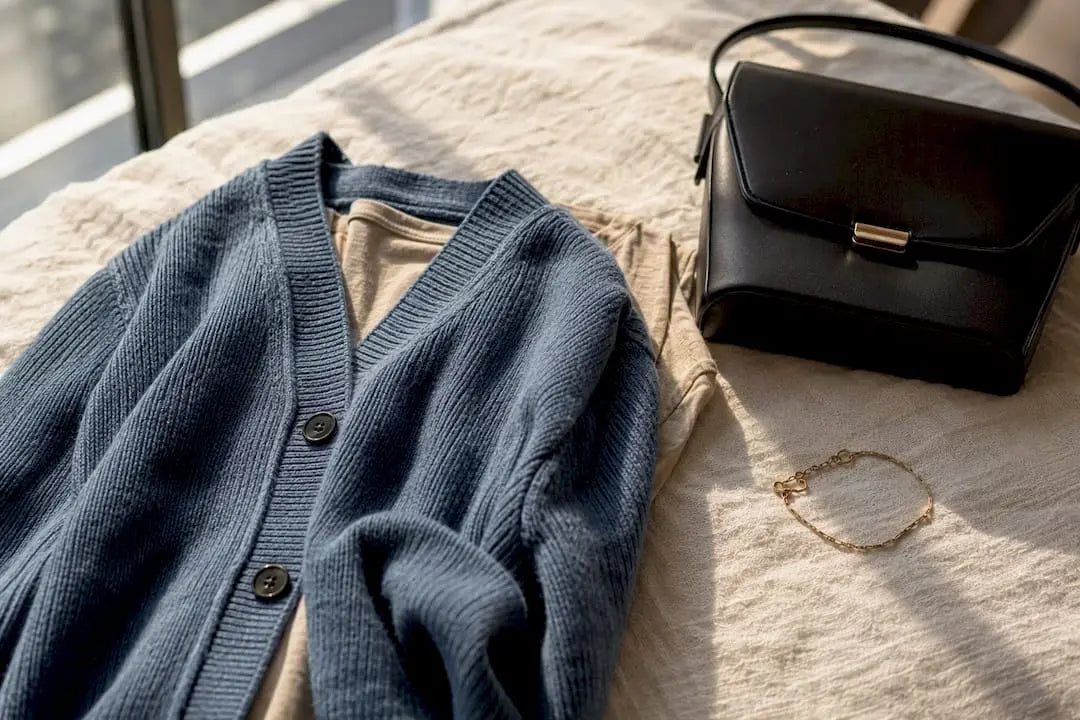
You can build polished, repeatable budget fashion outfits by prioritizing three things: fit, a 30 to 40 piece capsule, and tonal dressing. American households spend around $1,945 a year on apparel, and most of that money gets spread thin across pieces that never quite work together. A tighter, smarter approach fixes that.
Start here, today:
- Book a hem or waist adjustment on one item already in your closet, typically costing a modest amount.
- Pick one neutral color (black, camel, or navy) and build around it before buying anything new.
- Choose a single “third piece,” like a blazer or vest, to layer over what you own tonight.
Key Takeaways
Budget fashion outfits succeed when fit, a focused 30 to 40 piece capsule, and tonal styling replace scattered, low-cost impulse purchases.
| Point | Details |
|---|---|
| Fit beats price | A $20 to $50 alteration on a cheap garment outperforms an unaltered expensive one. |
| Build a capsule | Aim for 30 to 40 versatile pieces across tops, bottoms, outerwear, shoes, and accessories. |
| Use the third-piece rule | Add a blazer, vest, or belt to any basic outfit to signal intention. |
| Shop with a list | Hit thrift stores, clearance racks, and resale platforms for structured layers and leather goods. |
| Start with CAS7MFOCUS staples | Pieces like the Women’s Letter Blouse and Sport Cardigan Hoodie map directly onto capsule formulas. |
Table of Contents
- Ten Outfit Formulas for Cheap Chic Outfits
- Why Does Fit Matter More Than Price?
- How Do You Build a Capsule Wardrobe on a Budget?
- Where Should You Shop for Budget Fashion Outfits?
- Which CAS7MFOCUS Pieces Work as Capsule Staples?
- How Do You Plan a Wardrobe by Season on a Budget?
- How Do You Make Budget Clothes Last Longer?
- Can You Mix High-End and Budget Pieces?
- What Accessories Make a Budget Outfit Look Better?
- Why the “Buy More” Instinct Is Usually Wrong
- Shop Capsule Staples That Do the Work
- Sources
- FAQ
Ten Outfit Formulas for Cheap Chic Outfits
Every one of these formulas relies on the same trick: a cheap piece paired with a smart detail reads as expensive. Fit, fabric, and structure do more work than a price tag ever will.
- Monochrome neutrals. One color head to toe (think oatmeal or charcoal) creates a long, unbroken line that looks curated. Tip: match fabric weights so nothing looks like a mismatched separates rack. Target spend: under $100.
- White shirt, dark denim, loafers. The oldest trick in affordable style ideas still works because it hides low cost behind sharp contrast. Iron the collar. Under $100.
- Satin midi, basic tee, blazer. Satin catches light and instantly upgrades a tee. A Women’s Letter Casual Loose Short Sleeves Blouse works as the base layer here. Under $150.
- Tailored trouser, sweater, structured bag. A firm-shouldered sweater and a boxy bag signal intention. Take the trouser hem in yourself or pay a tailor $20. Under $200.
- Track pants and a blazer. Elevated athleisure needs one sharp element to offset the soft one. Add a belt for definition. Under $100.
- Tonal sundress, simple flats. Keep the shoe color within one shade of the dress. Under $75.
- Matching co-ord set. A set removes the guesswork of pairing separates and always looks intentional. Under $150.
- Blazer, denim, tee. The most versatile budget formula in this list, it moves from errands to dinner with one swap. A Men’s Baseball Jacket can stand in for the blazer role in a streetwear version. Under $150.
- Midi skirt, sneakers, belt. The belt cinches the waist and reads as styling effort, not budget. Under $100.
- Elevated athleisure with clean shoes. A Women’s Sport Cardigan Side Zipper Hoodie paired with white, unscuffed sneakers looks deliberate instead of lazy. Under $125.
Pro Tip: Photograph each formula once it works. A phone gallery of five outfits you already know look good beats an hour of decision fatigue every morning.
Each of these formulas doubles as a lesson in look stylish on a budget principles: contrast, structure, and restraint outperform logos every time.
Why Does Fit Matter More Than Price?
Fit changes how people read you before they process anything else about your outfit, and researchers who study snap judgments of competence point to fit as a bigger factor than brand recognition. A modestly priced shirt that’s tailored to your shoulders beats a more expensive shirt that hangs wrong.
- Hem, waist, and sleeve adjustments typically cost a modest amount and can make an off-the-rack piece look custom.
- Ask for shoulder seam alignment and a deliberate hem length. These small, visible changes are what make tailoring worth the money.
- Fabric weight, matte finish, and clean seams read as higher-end. Check the fabric before you check the price tag.
Tonal dressing (keeping everything within one or two shades) elongates your silhouette without spending a dime extra. The third-piece rule works the same way: adding a blazer, vest, or belt over a basic outfit signals that you dressed on purpose, not by default.
Pro Tip: Hold thin tops up to a light before buying. If you can see your hand through the fabric, skip it.
How Do You Build a Capsule Wardrobe on a Budget?
A capsule wardrobe of 30 to 40 pieces generates hundreds of outfit combinations, which is why it beats a closet stuffed with one-off impulse buys. Audit what you own before adding anything new.
- Pull every piece you’ve reached for in the last month and set it aside.
- Purge anything that doesn’t fit, match your neutral palette, or feel comfortable.
- Identify the gaps (usually a neutral bottom, a versatile jacket, or shoes).
- Prioritize replacing gaps over adding duplicates.
| Category | Piece count |
|---|---|
| Tops | 10 |
| Bottoms | 8 |
| Outer layers | 4 |
| Shoes | 4 |
| Accessories | 4 |
| Seasonal pieces | 4 to 6 |
A $40 sweater worn 40 times costs $1 per wear. A $15 shirt worn twice costs $7.50 per wear. Spend more on the pieces that touch every outfit, like a blazer or good denim, and skimp on trend pieces you’ll wear a handful of times.
Where Should You Shop for Budget Fashion Outfits?
Thrifting for fashion works best when you know exactly what you’re hunting for, and structured layers or leather goods from resale markets tend to age better than fast-fashion equivalents. Bring your capsule list, not a vague sense of “shopping mood.”
- Check thrift and consignment shops first for blazers, denim, and leather bags.
- Set watch alerts on resale platforms for specific items instead of scrolling endlessly.
- Hit clearance sections at quality retailers during end-of-season transitions (late winter and late summer are best).
- Use price filters on targeted retailer sites to stay inside your per-item budget.
- Apply the 48-hour rule: if you still want it in two days, buy it.
- Inspect secondhand listings closely for seam quality and fabric weight before checkout.
A few Gap alternatives worth browsing round out where to look beyond thrift stores when you need something new in a specific size.
Which CAS7MFOCUS Pieces Work as Capsule Staples?
Several formulas above map directly onto pieces built for exactly this kind of repeat-wear versatility.
- The satin-and-tee formula runs on the Women’s Letter Casual Loose Short Sleeves Blouse, which layers under a blazer or stands alone.
- Tailored trouser looks pair well with structured bottoms like the Low-Rise Flare Pants.
- The neat-casual template for men starts with a Men’s POLO Long-Sleeved Shirt, a piece that tailors easily and holds its shape.
- Elevated athleisure gets its structure from the Women’s Sport Cardigan Side Zipper Hoodie.
CAS7MFOCUS builds each of these around the same fit-first, wear-often logic this article recommends, which is exactly why they slot into a capsule instead of sitting as one-off buys.
How Do You Plan a Wardrobe by Season on a Budget?
Seasonal planning keeps your capsule from bloating into a closet of things you wear twice a year. Instead of buying a whole new wardrobe every quarter, rotate around a fixed core and swap five or six seasonal pieces.
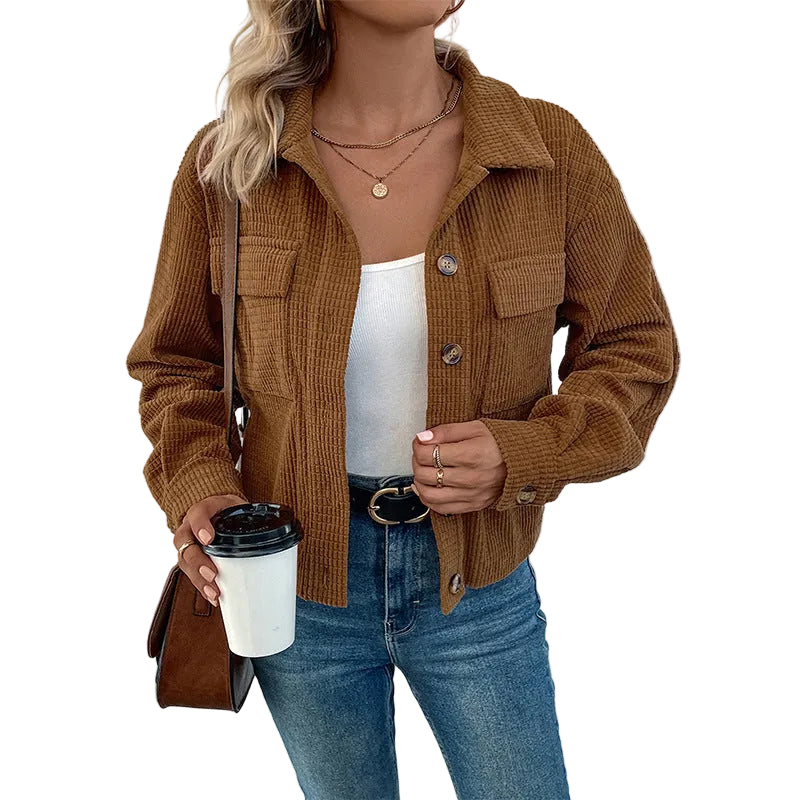
Keep your neutral tops, denim, and one structured jacket in play across fall, winter, and spring. Layering (a cardigan over a tee, a coat over a sweater) means those core pieces work in October and February both. Save new spending for the pieces that genuinely change with weather: heavier outerwear for winter, breathable fabrics for summer.
Shop end-of-season clearance one season ahead. Buy a winter coat in February, not November, and you’ll pay a fraction of the price for the exact same jacket. The same goes for shorts in September and sweaters in April. Retailers mark down what’s leaving stock, not what’s coming in, so timing your purchases against the calendar (rather than against the weather outside your window) is where the real budget wins happen.
Kids’ wardrobes benefit even more from this approach since growth spurts already force turnover. A Fashionable Winter Boys’ Retro Corduroy Thickened Zipper Cardigan Jacket bought on late season clearance covers two winters if sized up slightly, stretching a single purchase across multiple years.
How Do You Make Budget Clothes Last Longer?
Care habits stretch the lifespan of inexpensive garments more than any single purchase decision. A $20 shirt washed correctly for two years beats a $60 shirt ruined in the dryer after three washes.
Wash in cold water and turn garments inside out to protect prints, buttons, and seams from friction. Skip the dryer for knits, sweaters, and anything with elastane. Heat is what breaks down stretch fibers and shrinks cotton, and air drying flat preserves shape far better than a hanger does for heavier knits.
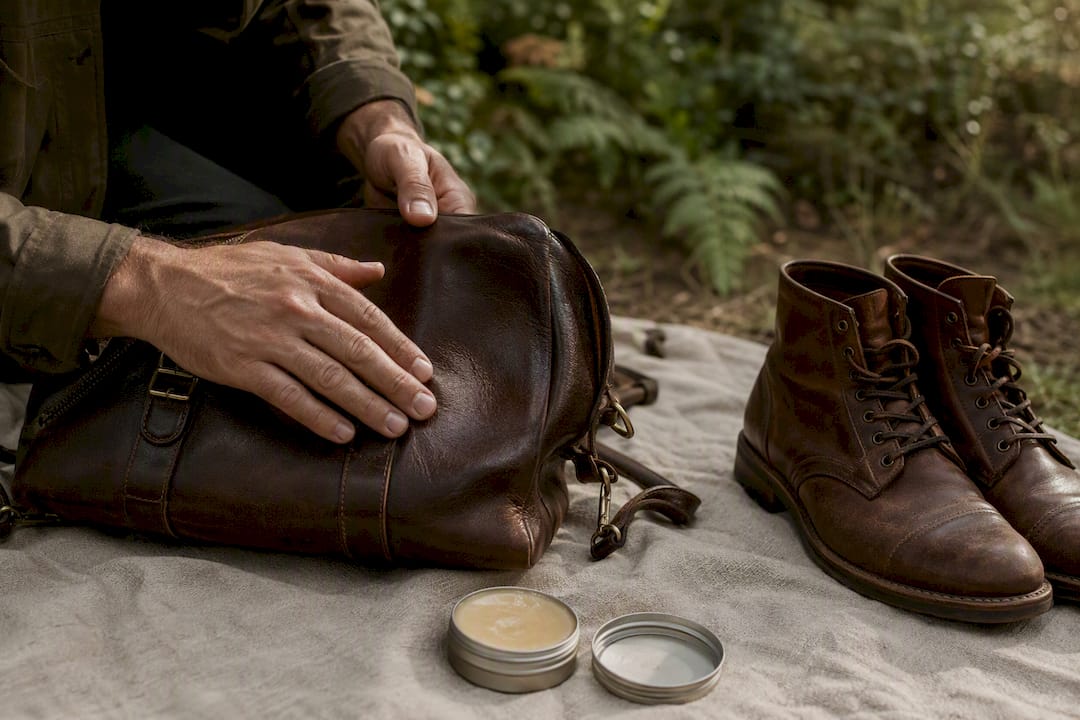
Rotate your shoes instead of wearing the same pair daily. Letting them air out between wears extends the life of the sole and the upper both. Store folded knits instead of hanging them to avoid shoulder bumps from years of hanger stress, and treat leather or faux-leather bags with a light conditioner every few months to keep the material from cracking.
Address small damage immediately. A loose button or a small seam pull takes five minutes to fix at home and turns into a $50 repair, or a dead item, if you ignore it for a season.
Can You Mix High-End and Budget Pieces?
Mixing tiers is how most well-dressed people actually build a wardrobe, and it’s cheaper than buying everything from one price point. The trick is knowing which pieces deserve the higher spend and which don’t.
Splurge on the pieces that touch your skin, hold structure, or get worn constantly: a well-made bag, real leather shoes, or a tailored coat. Buy everything else (tees, basic layers, trend pieces) at the lower end. Nobody clocks that your blazer cost $40 if the bag on your shoulder looks substantial.
Structure is the giveaway that separates cheap from expensive, not the price tag. A stiff-collared jacket or a bag with real shape reads as considered even sitting next to inexpensive basics. That’s why a single well-made outer layer, like the Fashion Button Stand-Collar Jacket With Big Pockets, can carry an entire outfit built otherwise from basics.
What Accessories Make a Budget Outfit Look Better?
Accessories are the cheapest lever in your entire wardrobe, and they do more visual work per dollar than any garment. A $12 belt or a $20 bag changes the read of an outfit more than a $40 shirt swap does.
Coordinate your bag, belt, and shoes in one tone. That single trio, matched, multiplies perceived polish without adding a single expensive item to your closet. A black bag with black shoes and a black belt looks assembled even over the plainest tee and jeans combination.
Layer thin gold or silver jewelry rather than one large statement piece; it reads as habitual, not performative. A structured tote does more for an outfit than a printed logo bag ever will, since shape signals intention the way logos signal spending. Keep your accessory palette to two metals or tones across your whole capsule so nothing you own clashes with anything else you own.
Why the “Buy More” Instinct Is Usually Wrong
Most budget fashion advice pushes volume: more pieces, more sales, more hauls. That instinct is backwards. The readers who actually build the most functional wardrobes buy less, tailor more, and repeat outfits without shame.
The conventional wisdom treats thrifting and clearance shopping as the whole strategy. They’re only half of it. Buying a $10 blazer that doesn’t fit your shoulders is not a win, it’s clutter with a receipt. The other half, the part most guides skip, is spending the $20 to $50 on alterations that actually make the piece work.
If you take one thing from this article, prioritize fit before you prioritize price. A $15 shirt tailored to your body outperforms a $60 shirt that hangs wrong, every time, in every photo, at every distance. Build your capsule around that principle first, then let tonal dressing and the third-piece rule do the rest of the work.
— CAS7M
Shop Capsule Staples That Do the Work
Building a capsule doesn’t require a closet overhaul, just a few pieces that pull double duty across multiple outfit formulas. CAS7MFOCUS stocks exactly the kind of neutral, well-structured basics this article recommends: tops that layer, trousers that tailor easily, and outerwear built to be the “third piece” in almost any outfit.
The Loose Fashion Short Sleeve Printed Shirt slots into the blazer-denim-tee formula without any alteration needed, and the Low-Rise Flare Pants anchor the tailored-trouser look this guide covered above. Both are priced to fit inside the under $100 formulas from earlier in this article. Browse either product page to check current sizing and add your next capsule piece to cart.
FAQ
What Is the 3-3-3 Rule for Clothes?
The 3-3-3 rule limits you to three tops, three bottoms, and three pairs of shoes for a set period, usually a week or a month, to force outfit repetition and reveal which pieces you actually need in your capsule.
How Do You Dress Fashionably on a Budget?
Prioritize fit through low-cost tailoring, build around a small neutral capsule, and use the third-piece rule (adding a blazer, vest, or belt) to make basic outfits look intentional rather than accidental.
What Is the Best Website for Buying Affordable Fashion?
No single site works for everyone, but a mix of thrift and resale platforms for structured pieces, plus targeted online retailers like CAS7MFOCUS for tailored basics and outerwear, covers most budget wardrobe needs.
How Do You Look Ten Pounds Thinner in an Outfit?
Tonal or monochrome dressing creates one unbroken vertical line that elongates your silhouette, and a well-fitted waist (even from a $20 alteration) does more visual slimming than any specific cut or color.
How Many Pieces Should Be in a Budget Capsule Wardrobe?
Most stylists recommend 30 to 40 versatile, interchangeable pieces, split across tops, bottoms, outer layers, shoes, and accessories, to generate hundreds of outfit combinations without excess spending.

