


Cart
0
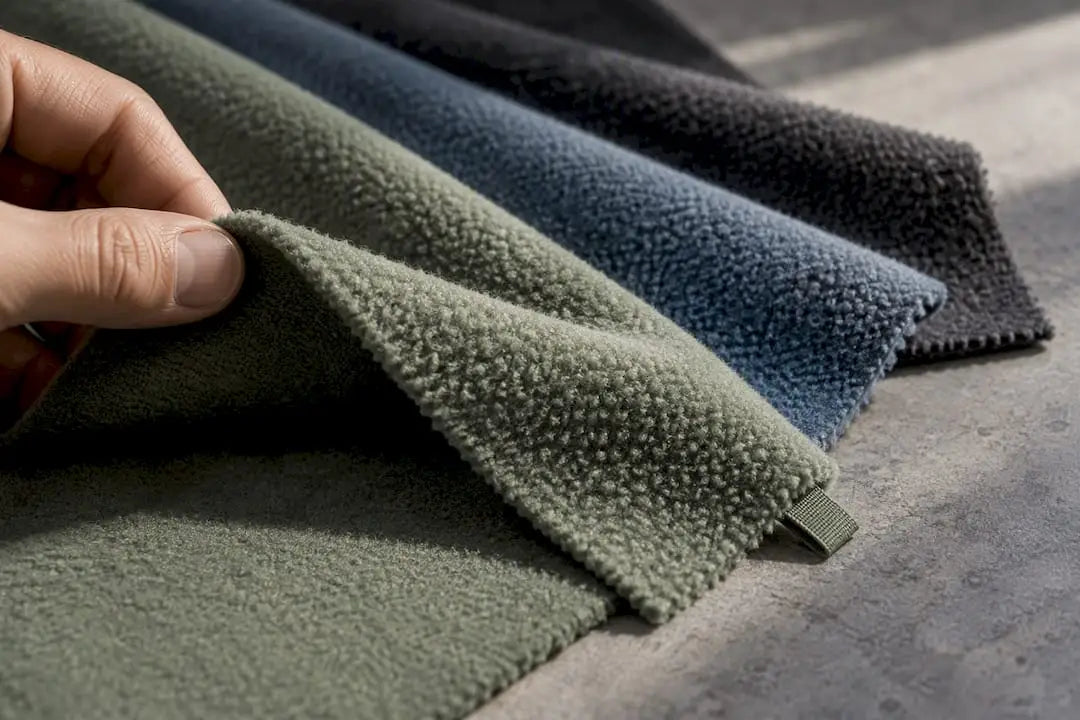
Pick fleece by activity, not by looks: lightweight (100 weight) for active use, midweight (200) for everyday outdoor wear, and heavyweight or sherpa (300) for casual warmth. Weight, fit role, and two features (hood and DWR coating) decide the rest. CAS7MFOCUS carries fleece-adjacent pieces like the Cotton Fleece Solid Color Hoodie Sweatshirt and the Men And Women Fleece Sweater Casual Sports Top that fit squarely into the midweight, everyday category most shoppers actually need.
TL;DR:
- Choose a fleece weight based on activity: 100 for high-output movement, 200 for daily versatility, and 300 for stationary warmth, matching activity level to fabric density.
- Microfleece and grid fleece are lighter and pack down easily, while sherpa fleece provides more warmth but reduces breathability, suitable for low-activity winter wear.
- Features like a close-fitting hood, chest pockets, and low-profile zippers are practical if they align with your activity, whereas wind resistance often requires pairing fleece with an external shell.
- For outer layers, a relaxed fit improves comfort and mobility, while a trim fit is better for mid-layers to prevent bunching and trap heat efficiently.
- Proper care involves cold washing, avoiding fabric softeners, and air drying to maintain fleece’s loft, durability, and performance over time.
Table of Contents
- What Is Fleece and How Does It Keep You Warm?
- Which Fleece Weight (100, 200, or 300) Should You Buy?
- Microfleece, Grid Fleece, Sherpa, and Hybrid: What’s the Difference?
- What Features Actually Matter on a Fleece Jacket?
- How Should a Fleece Jacket Fit?
- How Do You Wash and Maintain a Fleece Jacket?
- A Step-by-Step Checklist for Buying the Right Fleece
- How CAS7M’s Fleece Pieces Fit This Guide
- Is Fleece Actually Sustainable?
- What This Guide Gets Right That Most Buying Advice Misses
- Shop Fleece and Fleece-Style Pieces at CAS7MFOCUS
- Sources
- FAQ
What Is Fleece and How Does It Keep You Warm?
Fleece is a knit polyester fabric brushed to raise a soft, air trapping nap. That nap is doing the real work: warmth comes from loft, not fiber thickness, which is why a fluffy fleece can outperform a heavier, denser jacket at the same weight.
Polyester is naturally hydrophobic, so fleece resists soaking up water and dries fast compared to cotton. But it is not waterproof, and once wet, it loses most of its insulating value. Fleece typically takes one to four hours to dry depending on thickness, which matters more than people expect on multi-day trips where you can’t count on a dryer.
The trade-offs to know before you shop:
- Breathability: fleece vents heat and moisture well, which is why it’s a go-to mid-layer for aerobic activity.
- Wind resistance: standard fleece is not wind resistant on its own; wind cuts straight through the open knit.
- Weight labeling: most brands use a 100/200/300 numbering system tied to fabric weight, which you’ll see referenced constantly once you start comparing jackets.
- Wet performance: because fleece resists water but doesn’t block it, it’s a poor choice as your only layer in sustained rain.
Which Fleece Weight (100, 200, or 300) Should You Buy?
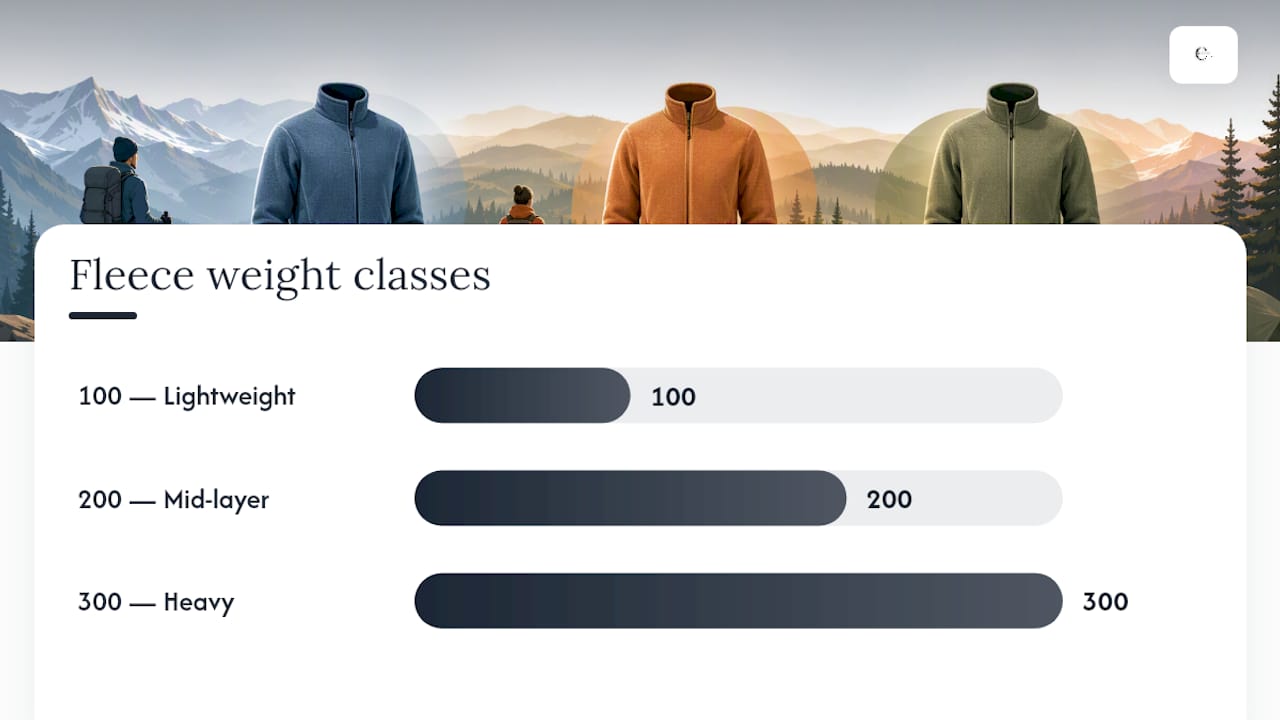
Weight class is the single fastest way to narrow your search. Manufacturers and reviewers generally use 100 for lightweight, breathable fleece, 200 for a versatile mid-layer, and 300 for maximum warmth, and matching that number to your activity level solves most buying decisions before you even look at features.
- 100 weight — thin, breathable, quick drying. Best for running, alpine touring, and any activity where you’re generating heat and need the fleece to vent, not trap.
- 200 weight — the do-everything mid-layer. Good under a shell for day hiking, fine alone on cool days, warm enough for casual wear without feeling bulky.
- 300 weight — thick, warm, less breathable. Built for standing around camp, cold commutes, or sitting by a fire, not for high-output movement.
Pro Tip: If you only own one fleece, buy a 200 weight. It layers under a shell for winter hikes and works alone on a 50°F evening, which covers more of the calendar than either extreme.
A quick way to check your pick: if you sweat through a base layer during the activity, go lighter. If you’re mostly stationary or the activity is casual (dog walks, errands, watching a game outside), go heavier. Layering plans matter too. A 100 weight fleece under a hard shell insulates better for its bulk than a single heavy jacket, which is the whole logic behind layering for cold weather rather than relying on one garment to do everything.
Microfleece, Grid Fleece, Sherpa, and Hybrid: What’s the Difference?
Weight tells you how warm a fleece is. Construction tells you how it feels and how it performs during movement, and the two don’t always line up the way you’d assume.
- Microfleece is thin, smooth, and packs down small. It’s the layer you stuff in a pack and forget about until temperatures drop.
- Grid fleece channels the fabric into a waffle pattern that traps air while cutting fabric weight, improving the warmth-to-weight ratio for technical, high-output layering.
- High-pile or sherpa fleece looks and feels like shearing. It traps more air and delivers noticeably more warmth than standard fleece, but breathability drops as a result, which makes it better suited to low-activity cold than to hiking or climbing.
- Sweater fleece trades the classic fuzzy texture for a knit look, prioritizing style over performance. It’s a great fit for everyday wear when you want the warmth of fleece without looking like you’re headed up a mountain.
- Hybrid designs add DWR treated panels or abrasion resistant fabric to the areas that take the most wear and weather, aiming to bridge fleece and softshell performance. They sacrifice some breathability for that added protection.
For genuinely cold, multi-day activity, standard grid or microfleece paired with a wind shell usually beats sherpa, since high-pile constructions sacrifice airflow for warmth and can leave you damp underneath a shell during sustained effort.
What Features Actually Matter on a Fleece Jacket?
Not every feature earns its place, and the ones that matter depend entirely on what you’re doing in the jacket.
- Hoods: a slim, close-fitting hood layers well under a shell; a bulky one just adds weight if you’re not using it standalone.
- Chest pockets: useful if you’re wearing a pack, since chest pockets stay accessible when hip pockets get buried under a hip belt.
- Handwarmer pockets: comfortable for casual wear, but they can dig in under a climbing harness or pack’s hip belt.
- Zippers: low-profile, low-bulk zippers layer better than chunky ones, especially at the collar.
- Wind resistance: standard fleece doesn’t block wind well, and treating a fleece to be windproof usually cuts into its breathability. Most testers recommend pairing a breathable fleece with a separate wind shell instead of hunting for one jacket that does both.
- Thumb loops and sleeve length: thumb loops keep sleeves in place under gloves during activity; for casual wear they’re just extra fabric.
Pro Tip: Try raising both arms overhead in the fitting room. If the hem rides up past your waistband, size up or pick a different cut. That gap is where cold air gets in on every reach and stretch.
How Should a Fleece Jacket Fit?
Fit depends entirely on whether the fleece is your mid-layer or your outer layer, and mixing those roles up is the most common sizing mistake.
- Mid-layer fit: go trim. You need room for a base layer underneath and a shell on top, but excess fabric just bunches and traps less air where it counts.
- Outer-layer fit: go regular to relaxed. This is your only layer on mild days, so comfort and range of motion take priority over a tailored silhouette.
- Test range of motion: raise your arms, reach across your chest, and squat before buying. Sleeves should stay at your wrist, and the hem shouldn’t pull tight across your shoulders.
Stretch fabrics and raglan or articulated shoulder seams make a real difference for climbing, paddling, or anything overhead. If you’re shopping for general fit advice beyond fleece specifically, how to choose jackets that actually fit your lifestyle covers the broader silhouette questions worth answering before you commit to a size.
How Do You Wash and Maintain a Fleece Jacket?
Fleece is low maintenance, but a few habits determine whether it looks new in year three or worn out by year one.
- Wash cold on a gentle cycle, and skip fabric softener and bleach, both of which break down the fibers that create loft.
- Turn the jacket inside out before washing to reduce pilling from friction against zippers and other garments.
- Tumble dry on low or air dry. High heat flattens the nap and permanently reduces warmth.
- Re-treat DWR coated fleece or hybrid panels once water stops beading and starts soaking in, usually after repeated washes.
- Check zipper quality and seam reinforcement at the shoulders and elbows before buying. Cheap zippers and thin stitching at pressure points are the first things to fail. The same durability logic that applies to training gear built to last holds true for fleece.
Washing wool or knit sweaters follows similar cold-and-gentle logic, and the same safe washing steps for sweaters translate well if you’re already treating fleece with that level of care.
A Step-by-Step Checklist for Buying the Right Fleece
Work through these five steps in order and you’ll land on the right jacket faster than scrolling through dozens of listings.
- Define your primary use. Running and hiking need breathability; commuting and camp life need warmth.
- Choose your weight class. 100 for high output, 200 for versatility, 300 for stationary cold.
- Confirm the fit role. Mid-layer trim, outer-layer relaxed.
- Verify your top three features. Pick from hood, pockets, DWR, and wind resistance based on your actual use, not the longest spec list.
- Check the care label and material claims. Recycled polyester content is now common and worth confirming if sustainability matters to you.
Prioritize breathability over raw warmth for anything aerobic. Prioritize warmth over breathability for anything stationary. That single rule resolves most of the indecision.
| Priority | Best Match | Watch For |
|---|---|---|
| High-output activity | 100 weight microfleece or grid fleece | Overheating if sized too warm |
| Everyday outdoor use | 200 weight standard fleece | Balance of warmth and packability |
| Casual, low-activity warmth | 300 weight or sherpa fleece | Reduced breathability, bulkier fit |
| Wet or windy conditions | Any fleece paired with a shell | Fleece alone isn’t wind or waterproof |
Budget expectations vary by construction and brand, but hybrid and DWR treated pieces generally cost more than plain microfleece. If sustainability is a priority, recycled polyester fleece performs comparably to virgin polyester in warmth and durability, so you’re rarely trading performance for a lower environmental footprint.
How CAS7M’s Fleece Pieces Fit This Guide
The lineup leans toward the everyday, versatile end of the fleece spectrum rather than technical mountaineering gear, which aligns with what most casual buyers actually need. The Cotton Fleece Solid Color Hoodie Sweatshirt reads as a midweight, everyday piece suited to commuting and casual layering rather than high-output activity. The Men And Women Fleece Sweater Casual Sports Top fits the same 200-weight, general-use bucket described above. For colder days when warmth outranks breathability, the Coat Faux Fur Jacket covers the heavyweight, casual-warmth role that sherpa fleece typically fills. Specific fabric-weight and DWR specs vary by listing and are worth checking on each product page before you buy.
Is Fleece Actually Sustainable?
Most fleece is made from polyester, a petroleum-based synthetic, but a growing share of the market now uses recycled polyester made from plastic bottles or industrial waste. That shift matters because it diverts material from landfills without meaningfully sacrificing warmth or durability, since recycled and virgin polyester fleece perform almost identically once knit and brushed into fabric.
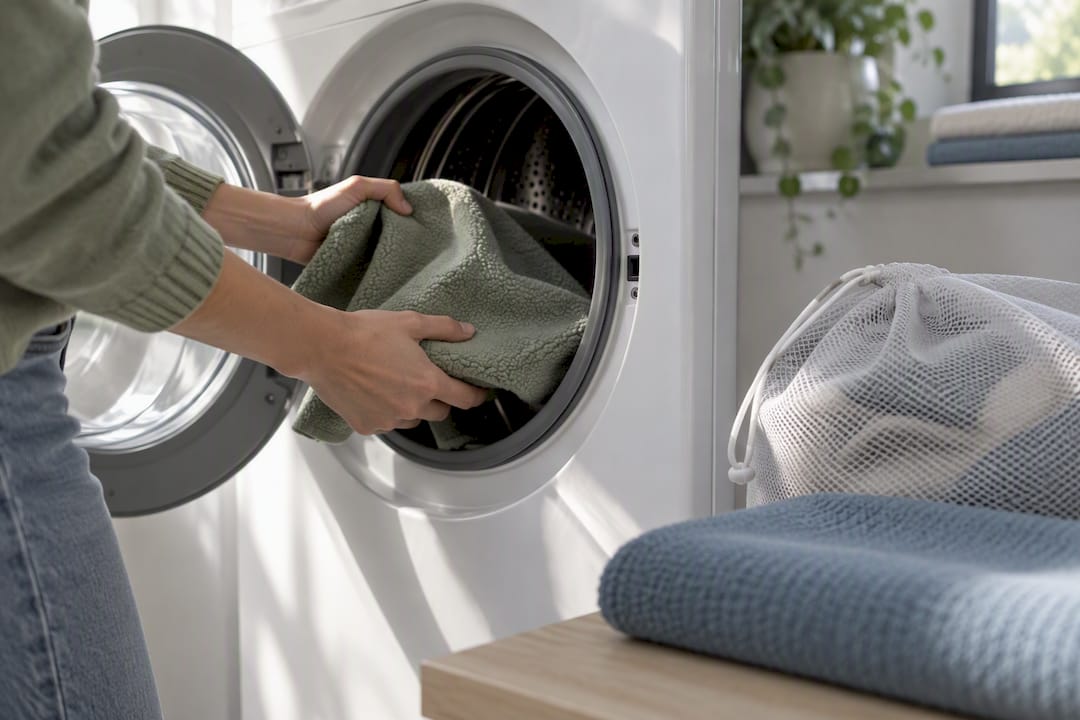
The trade-off buyers should know about is microplastic shedding. Fleece releases tiny synthetic fibers during washing, which enter waterways through standard wastewater systems. Washing fleece less frequently, using a mesh laundry bag, and washing on cold with a full load all reduce shedding, and they double as the same gentle care steps that extend the jacket’s life.
Durability itself is a sustainability lever that’s easy to overlook. A fleece that lasts eight years instead of two, thanks to better stitching and pilling resistance, has a smaller lifetime footprint than a cheaper jacket replaced four times over the same period, even if the cheaper option used more recycled content. When you’re comparing sustainability claims, treat “recycled polyester” as one input among several, not the whole answer. Construction quality, wash habits, and how long you actually keep the jacket all factor into the real environmental cost.
What This Guide Gets Right That Most Buying Advice Misses
Most fleece buying advice sells warmth as the only variable that matters, and that’s backwards for a lot of shoppers. Breathability is the harder-working spec, especially once you factor in layering. A fleece that’s too warm for its job leaves you sweating, and sweat soaking into fleece does more to ruin your comfort than a slightly thinner jacket ever would.
The conventional wisdom also oversells sherpa and high-pile fleece as a universal upgrade. It isn’t. Sherpa is a style and warmth choice for low-activity situations, not a better version of standard fleece across the board. If you’re moving, grid or microfleece paired with a shell almost always outperforms it.
What readers should prioritize first is honest activity assessment, not spec sheets. Decide whether you’re buying a mid-layer or an outer layer before you look at a single feature list. Everything else, from weight class to hood design, falls into place once that one decision is made.
— CAS7M
Shop Fleece and Fleece-Style Pieces at CAS7MFOCUS
CAS7MFOCUS keeps everyday fleece simple: fewer technical add-ons, more of the comfort and versatility casual buyers actually use week to week. If the checklist above pointed you toward a midweight, everyday piece, the Cotton Fleece Solid Color Hoodie Sweatshirt and the Men And Women Fleece Sweater Casual Sports Top both fit that 200-weight role for commuting, errands, and mild outdoor days.
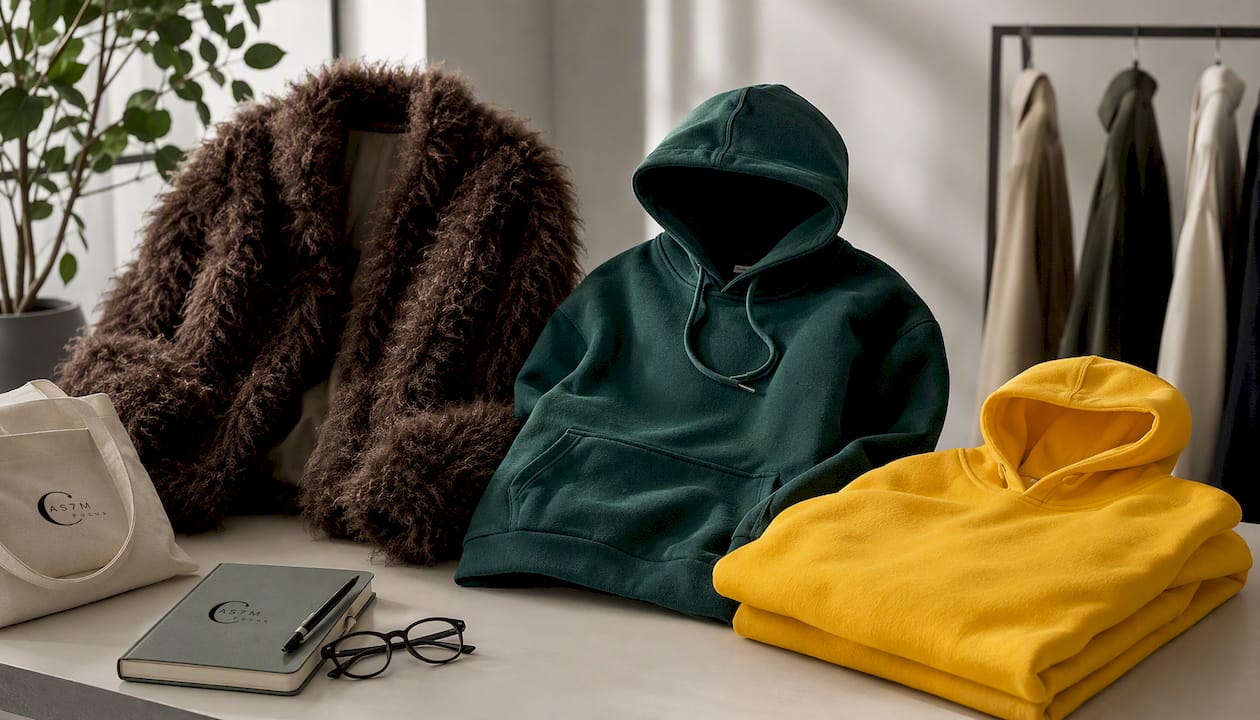
If cold-weather warmth is the priority instead, the Coat Faux Fur Jacket covers the heavier, sherpa-style category for casual wear in genuinely cold conditions. Run each option against the five-step checklist above: use, weight, fit role, top three features, and care label. Then browse the current fleece styles and pick the one that matches your actual week, not just the coldest day on the calendar.
Sources
- Find The Right Men’s Fleece Jacket - Our Buying Guide - GearLab
- Fleece jacket — Wikipedia
- Fleece Jacket – Complete Guide to Types, Fit, and Care - TradeWire
FAQ
How Do I Choose a Good Fleece Jacket?
Match the weight class to your activity first: 100 for high-output movement, 200 for everyday versatility, 300 for stationary warmth. Then confirm the fit matches its role, mid-layer trim or outer-layer relaxed, and check that features like hood and pockets fit your actual use rather than looking impressive on a spec sheet.
Should Fleece Jackets Be Tight or Loose?
It depends on the role. A mid-layer fleece should fit trim enough to layer a shell over it, while an outer-layer fleece should fit looser for comfort and mobility since it’s your only layer. Test both by raising your arms overhead; the hem shouldn’t ride up and the shoulders shouldn’t pull tight.
What Temperatures Are Fleece Jackets Best For?
Fleece works best as a mid-layer or standalone piece in cool to cold conditions, roughly the range where a base layer alone feels thin but a heavy parka feels like overkill. It’s not built for sustained rain or high wind on its own, since fleece resists water but isn’t waterproof and loses insulation once soaked.
What Size Fleece Jacket Should I Get?
Size for the role you need: one size trimmer if it’s going under a shell, true to size or slightly relaxed if it’s your outer layer. Check sleeve length and hem coverage with arms raised, since that movement test reveals sizing problems a mirror check misses.
Is Fleece or French Terry Better for Casual Wear?
Fleece is brushed on one or both sides for warmth and loft, while french terry, sometimes called loopback cotton, keeps its looped construction unbrushed for a lighter, more breathable feel. For genuine cold-weather warmth, fleece wins; for mild days or indoor wear, french terry often feels more comfortable against skin.

