


Cart
0
TL;DR:
- Uniqlo offers minimalist basics with consistent sizing at affordable prices, ideal for everyday wear.
- Reformation and Everlane lead in sustainable, durable clothes with transparent sourcing and a focus on quality.
For basics and minimalist dressing, Uniqlo is the clearest pick — clean silhouettes, consistent sizing, and affordable prices for most knits. For workwear and elevated tailoring, COS delivers the structured, understated polish that Babaton shoppers recognize, usually at moderate mid-range prices. Trend-driven shoppers will find Zara and Mango hit the same fast-refresh energy as Aritzia’s seasonal drops, often at lower price points. And for sustainability-focused buying, Reformation and Everlane lead with transparent sourcing and durable fabrics that hold up season after season.

Style editors recommend identifying which Aritzia sub-label you shop most before hunting alternatives — it prevents mismatched aesthetics and wasted time. That’s the organizing principle here.
Quick picks by use case:
- Basics / minimalist: Uniqlo, Cas7m
- Workwear / tailored: COS, Theory, Madewell
- Trend pieces: Zara, Mango, Abercrombie & Fitch
- Sustainable / slow fashion: Reformation, Everlane, Frank & Oak
- Romantic / feminine: & Other Stories, Wilfred-adjacent picks
- Budget-first: Cas7m, Uniqlo, Zara
Cas7m carries minimalist basics and comfortable staples at accessible price points, making it a solid first stop if you want to test Aritzia-style pieces without committing to a higher price tag.
Table of Contents
- How do the best Aritzia alternatives compare side by side?
- Which brands match your budget and Aritzia vibe?
- How do you pick the right Aritzia alternative?
- Which Aritzia sub-label matches which alternative brand?
- How the 3-3-3 capsule trick helps you shop alternatives smarter
- What are the return policies like for these alternatives?
- Which alternatives run sales, and do any have loyalty programs?
- Where can you actually shop these brands in the US?
- Key Takeaways
- The case for starting with what actually fits your life
- Cas7m carries the Aritzia-style basics you can shop right now
- FAQ
How do the best Aritzia alternatives compare side by side?
The table below covers the dimensions that actually move the needle: aesthetic, price tier, what each brand does best, material quality, sustainability posture, size range, and US availability.
| Brand | Style / Aesthetic | Price Tier | Best For | Quality & Materials | Sustainability | Size Inclusivity | US Availability |
|---|---|---|---|---|---|---|---|
| Cas7m | Minimalist, casual-elevated | Affordable ($20–$60) | Basics, everyday comfort | Soft knits, seamless construction | Not publicly listed | Standard sizes | Ships to US, online only |
| Uniqlo | Minimalist, functional | Affordable ($20–$60) | Basics, layering | Consistent mid-weight fabrics | LifeWear sustainability program | XS–3XL | US stores + online |
| Zara | Trend-led, editorial | Affordable–Mid ($20–$80) | Trend pieces, seasonal refresh | Variable; best at mid-weight wovens | Limited transparency | XS–XXL | US stores + online |
| Mango | Polished, Mediterranean | Mid ($40–$120) | Workwear, smart casual | Solid construction at mid-tier | Some certified fabrics | XS–XL | US stores + online |
| COS | Architectural, minimal | Mid–Elevated ($80–$200) | Workwear, tailored basics | Heavier fabrics, clean seams | H&M Group sustainability targets | XS–XL | US stores + online |
| Reformation | Feminine, vintage-inspired | Elevated ($150–$400+) | Sustainable occasion wear | Quality natural and recycled fabrics | Industry-leading transparency | XS–3XL | US stores + online |
| Everlane | Clean, modern | Mid ($40–$150) | Transparent basics, denim | Consistent quality, clear sourcing | Radical price transparency | XS–3XL | Online only (US) |
| Madewell | Casual, denim-forward | Mid ($50–$150) | Denim, relaxed workwear | Strong denim construction | Denim recycling program | XS–3XL | US stores + online |
| Theory | Elevated minimalism | Elevated ($150–$400) | Investment tailoring | Luxe fabrics, precise construction | Limited public reporting | XS–XL | US stores + online |
| & Other Stories | Romantic, eclectic | Mid ($50–$150) | Feminine pieces, accessories | Good fabric variety | H&M Group targets | XS–XL | Online only (US) |
| Abercrombie & Fitch | Casual-elevated, American | Affordable–Mid ($40–$120) | Everyday wear, denim | Improved quality post-rebrand | Some sustainable cotton | XS–4XL | US stores + online |
| Frank & Oak | Minimalist, eco-conscious | Mid ($60–$150) | Sustainable basics | Durable, ethically sourced | Strong sustainability focus | XS–XXL | Online (ships to US) |
Consumers value transparent pricing examples — knowing that “mid-range” means a sweater around $80–$120 versus $30–$50 at affordable tier sets realistic expectations before you click add to cart.
Which brands match your budget and Aritzia vibe?
Roundup guides consistently group alternatives into three tiers: affordable, mid-range, and elevated. Here’s how the full list breaks down, with a short card for each.

Affordable (sweaters typically $20–$60)
Cas7m carries clean, minimalist pieces — seamless knit sets, high-waist leggings, and comfortable tops — at prices that rarely push past $60. The aesthetic leans casual-elevated, which maps well to Aritzia’s TNA and everyday basics lines. Online only, ships to the US.
Uniqlo is the gold standard for affordable minimalism. Fabric weight is consistent, sizing runs XS–3XL, and the LifeWear line covers everything from merino knits to tailored trousers. Physical stores in major US cities plus a reliable online shop make it easy to try before you buy.
Zara refreshes inventory fast, which means trend pieces land quickly and sell out just as fast. Construction varies by item, but the mid-weight wovens and structured blazers punch above their price. Best for seasonal trend pieces rather than long-term wardrobe staples.
Abercrombie & Fitch has quietly become one of the better affordable-elevated options in the US. The denim is genuinely good, the sizing now runs XS–4XL, and the brand’s casual-chic aesthetic overlaps with Aritzia’s Sunday Best line more than most shoppers expect.
Mid-range (sweaters typically $60–$150)
Mango brings a polished, Mediterranean sensibility to workwear and smart casual. Fabric quality at this tier is solid, and the brand’s structured blazers and tailored trousers hold their shape well. US stores in select cities, plus full online availability.
Everlane built its reputation on radical price transparency — you see the cost breakdown for every item. Basics and denim are the strongest categories. Sizing goes to 3XL, and the brand ships exclusively online in the US.
Madewell is the natural landing spot for Denim Forum fans. The denim construction is consistently strong, and the brand’s relaxed, lived-in aesthetic extends to knitwear and casual tops. A loyalty program (Madewell Insider) offers points, early access, and free shipping perks.
& Other Stories leans romantic and eclectic — think textured fabrics, interesting prints, and feminine silhouettes that mirror Wilfred’s energy. US shoppers order online; the brand ships from Europe, so factor in a slightly longer delivery window.
Frank & Oak is a Montreal-based brand with strong sustainability credentials and a minimalist aesthetic that suits Babaton fans. Durable fabrics, ethical sourcing, and a clean design language make it a credible slow-fashion alternative. Ships to the US online.
Elevated (sweaters typically $150–$400+)
COS is the closest structural match to Babaton’s architectural minimalism. Fabrics run heavier than most mid-range options, seam finishing is clean, and the silhouettes are deliberately understated. US stores in major cities plus online. Analysts note a clear material quality step-up at this tier — heftier fabric and better construction justify the price difference.
Theory sits at the top of the accessible-luxury tier. Tailoring is precise, fabrics are luxurious (cashmere blends, fine wools), and the brand’s workwear suits and trousers are genuine investment pieces. US stores nationwide.
Reformation leads the elevated tier on sustainability. Sourcing is transparent, fabrics are primarily natural and recycled, and the brand’s feminine silhouettes overlap with Wilfred’s romantic sensibility. Shoppers who have outgrown trend-focused retailers consistently land here for durable, thoughtfully made pieces. Sizing runs XS–3XL.
How do you pick the right Aritzia alternative?
The criteria below give you a repeatable way to vet any unfamiliar brand before spending.
Shopping checklist:
- Check fabric content first. Look for mid-weight natural or blended fabrics (cotton, wool, Tencel). A sweater under 200 grams per square meter will likely pill quickly.
- Inspect seam and finish quality. Product photos that show the inside of a garment, or brand pages that describe taped or flat-felled seams, signal better construction.
- Read the return policy before checkout. A 30-day window with free returns is the baseline. Final-sale-only policies on full-price items are a red flag.
- Compare size charts, not nominal sizes. Measure your chest, waist, and hip, then match to the brand’s garment measurements — not just “S” or “M.”
- Check US shipping and duties. Some brands ship from Europe or Canada; duties can add 10–20% to the final cost on orders over the de minimis threshold.
- Look for loyalty or discount programs. Brands like Madewell, Abercrombie & Fitch, and Uniqlo run regular promotions; signing up for emails often unlocks a first-order discount.
Red flags to watch:
- No fabric content listed anywhere on the product page
- Sizing described only as “fits true to size” with no actual measurements
- No returns accepted on full-price items
- Shipping estimates of 4+ weeks with no tracking
For dressing well on a tighter budget, the most consistent advice is to spend more per item on fewer pieces rather than buying volume at the lowest price point.
Which Aritzia sub-label matches which alternative brand?
Aritzia’s sub-collections each serve a distinct shopper persona: Babaton for tailored minimalism, Wilfred for romantic femininity, TNA/Sunday Best for casual-elevated comfort, and Denim Forum for denim-first dressing. Matching alternatives to the sub-label you actually shop saves time and prevents style mismatches.
- Babaton (tailored minimalism): COS, Theory, Frank & Oak. Look for structured silhouettes, clean seams, and neutral palettes. Fabric weight matters here — heavier knits and woven trousers hold their shape better.
- Wilfred (romantic, feminine): & Other Stories, Reformation. Prioritize fluid fabrics (silk, Tencel, lightweight crepe), feminine cuts, and interesting texture. Both brands carry the same soft-but-polished energy.
- TNA / Sunday Best (casual-elevated): Abercrombie & Fitch, Cas7m, Uniqlo. Comfortable fabrics, relaxed fits, and easy layering pieces. This is where you can save without sacrificing feel.
- Denim Forum (denim-focused): Madewell, Everlane. Both invest heavily in denim construction and offer a range of washes and cuts. Madewell’s recycling program is a bonus for sustainability-minded shoppers.
Fit and sizing notes: European-origin brands (COS, & Other Stories, Mango) often size smaller than North American equivalents. Compare actual garment measurements rather than relying on nominal size labels — a COS “M” frequently fits like a US “S.”
Pro Tip: Before switching brands, measure your chest, waist, and hip in a well-fitting Aritzia piece, then match those numbers to the new brand’s garment dimensions. Customer photos in reviews are more reliable than model shots for fit reference.
How the 3-3-3 capsule trick helps you shop alternatives smarter
The 3-3-3 rule is a capsule wardrobe method built around 3 tops, 3 bottoms, and 3 pairs of shoes — nine items that generate at least nine distinct outfits. It’s the most practical framework for testing a new brand without overbuying.
Here’s how to apply it when shopping Aritzia alternatives:
- Invest in one elevated bottom. A tailored trouser from COS or Theory ($100–$180) anchors the whole capsule. It raises the perceived quality of every outfit it touches, even when the top is budget-friendly.
- Fill tops from the affordable tier. Fill tops from the affordable tier; a seamless knit from Cas7m or a ribbed long-sleeve from Uniqlo pairs cleanly with the elevated trouser. Fabric weight and color matter more than brand name here.
- Add one versatile mid-layer. A structured blazer from Mango or a clean cardigan from Everlane ($60–$100) covers the transition from casual to polished without a full outfit change.
Example outfits from this capsule:
- Tailored trouser + seamless knit top + clean sneakers: office-casual, no effort required
- Tailored trouser + mid-layer blazer + loafers: meeting-ready in under two minutes
- Relaxed knit top + straight-leg denim + white sneakers: weekend errand run that still looks intentional
For a full seasonal breakdown of which pieces to prioritize, a capsule wardrobe guide covers fabric choices and color palette strategy in detail.
Pro Tip: Prioritize fabric drape over brand name when building a minimalist capsule. A heavier-weight knit in a muted neutral will look more expensive and photograph better than a trendy piece in a thin, shiny fabric.
What are the return policies like for these alternatives?
Return policies vary more than most shoppers expect, and a bad policy can turn a good purchase into a frustrating experience.
Generous return windows (30+ days, free returns): Madewell, Abercrombie & Fitch, and Everlane all offer straightforward return processes with prepaid labels. Madewell accepts returns within 30 days for full-price items; Abercrombie & Fitch extends to 60 days. Everlane’s policy covers returns within 30 days, though final-sale items are excluded.
Standard policies (14–30 days, may charge return shipping): Uniqlo accepts returns within 30 days in-store or by mail, but online returns require a label purchase. Zara’s 30-day window is solid, and in-store returns are free. Mango offers 30 days online and in-store.
Shorter or more restricted windows: COS and & Other Stories follow H&M Group policies — 28 days for online returns, free in-store. Theory’s return window is 30 days, but items must be unworn with tags attached, and some sale items are final.
Reformation offers 30-day returns for store credit or exchange; cash refunds carry a restocking consideration, so read the fine print before ordering a size you’re unsure about.
Customer service quality generally tracks with price tier. Theory and COS offer attentive service in-store. Digital-first brands like Everlane and Frank & Oak rely on email and chat support, which is responsive but lacks the in-store experience that Aritzia shoppers often cite as part of the brand’s appeal.
Which alternatives run sales, and do any have loyalty programs?
Knowing when and how each brand discounts helps you time purchases and stretch your budget further.
Madewell runs the most structured loyalty program of the group. Madewell Insider offers points on every purchase, free shipping thresholds, and early access to sales. The brand’s end-of-season sales (typically January and July) can bring prices down 30–40% on core items.
Abercrombie & Fitch runs frequent promotional events — 20–30% off sitewide sales appear multiple times per year, and the brand’s email list often delivers first-access codes. No formal points program, but the discount cadence is reliable.
Uniqlo holds two major sale events annually (summer and winter) plus ongoing “Limited Offer” pricing on specific SKUs. No traditional loyalty program, but the brand’s app surfaces daily deals and member-only pricing.
Zara does not run traditional loyalty programs or frequent discount events. The brand’s twice-yearly sale (January and July) is the main markdown opportunity. Outside of those windows, full price is the norm.
Everlane occasionally runs “Choose What You Pay” events on overstocked items, offering three price tiers. No formal loyalty program, but the brand’s email subscribers get early access to new arrivals and sale events.
COS and & Other Stories follow H&M Group’s sale calendar — end-of-season markdowns twice yearly. No loyalty program separate from H&M’s broader ecosystem.
Reformation runs limited sales, typically at end of season. The brand’s “Ref Points” program rewards purchases with credits toward future orders, which softens the elevated price point over time.
Where can you actually shop these brands in the US?
Physical retail presence matters if you want to touch fabric and check fit before buying.
Brands with broad US store networks: Uniqlo, Zara, Mango, Abercrombie & Fitch, Madewell, and Theory all operate physical stores across major US cities. Uniqlo and Zara have the widest footprints, with locations in most large metro areas.
Brands with selective US stores: COS operates in select cities (New York, Los Angeles, Chicago, Boston, and a handful of others). Reformation has flagship stores in New York, Los Angeles, and a growing list of additional locations. Theory boutiques appear in major malls and standalone locations nationwide.
Online-only for US shoppers: Everlane, Frank & Oak, and & Other Stories ship to the US but have no physical US retail presence. & Other Stories ships from Europe, so delivery takes longer and duties may apply on larger orders.
Cas7m operates as a direct-to-consumer online store, shipping to the US. The product listings include detailed photos and size information to help you make confident choices without a fitting room.
For shoppers who value the tactile experience of trying clothes before buying, physical retail presence remains a real differentiator. Uniqlo and Madewell are the strongest options for combining in-store browsing with a reliable online backup.
Key Takeaways
The clearest path to finding your best Aritzia alternative is matching the specific sub-label you shop to a brand in the same price tier, then vetting fabric weight and return policy before committing.
| Point | Details |
|---|---|
| Match the sub-label, not the brand | Identify whether you shop Babaton, Wilfred, TNA, or Denim Forum first, then pick the equivalent alternative. |
| Fabric weight signals quality | Mid-weight natural or blended fabrics hold shape and drape better than thin synthetics at any price tier. |
| Use the 3-3-3 capsule method | Three tops, three bottoms, three shoes generate at least nine outfits and prevent overbuying when testing new brands. |
| Time purchases around sale windows | Madewell, Abercrombie & Fitch, and Uniqlo offer the most reliable discount cadence among these alternatives. |
| Cas7m for accessible basics | Cas7m carries minimalist, comfortable staples at affordable prices, making it a low-risk first purchase when testing Aritzia-style pieces. |
The case for starting with what actually fits your life
The conventional wisdom on finding Aritzia alternatives tends to focus on aesthetics alone — find something that looks similar and call it done. That misses the more useful question: which brands match how you actually live and shop?
A Babaton shopper who buys a Wilfred-equivalent by mistake ends up with a closet full of flowy pieces that don’t work for her office. A TNA fan who jumps straight to Theory pays three times more than necessary for a casual weekend look. The sub-label mapping in this guide exists precisely because Aritzia’s genius was building distinct personas under one roof — and the alternatives worth your time do the same thing, just in different combinations.
The other thing most guides skip: return policy and sizing transparency matter as much as style. A beautiful piece from a brand with a 14-day final-sale policy is a gamble. The brands that make this list earned their spots partly because they give you room to get it wrong and fix it without penalty.
Cas7m carries the Aritzia-style basics you can shop right now
If you want the clean, minimalist aesthetic of Aritzia’s everyday line without the price tag, Cas7m is worth a look before you go anywhere else. The seamless knit sets and high-waist leggings sit in the $20–$60 range, use soft, stretch-friendly fabrics, and carry the same casual-elevated sensibility as Aritzia’s TNA and Sunday Best lines.
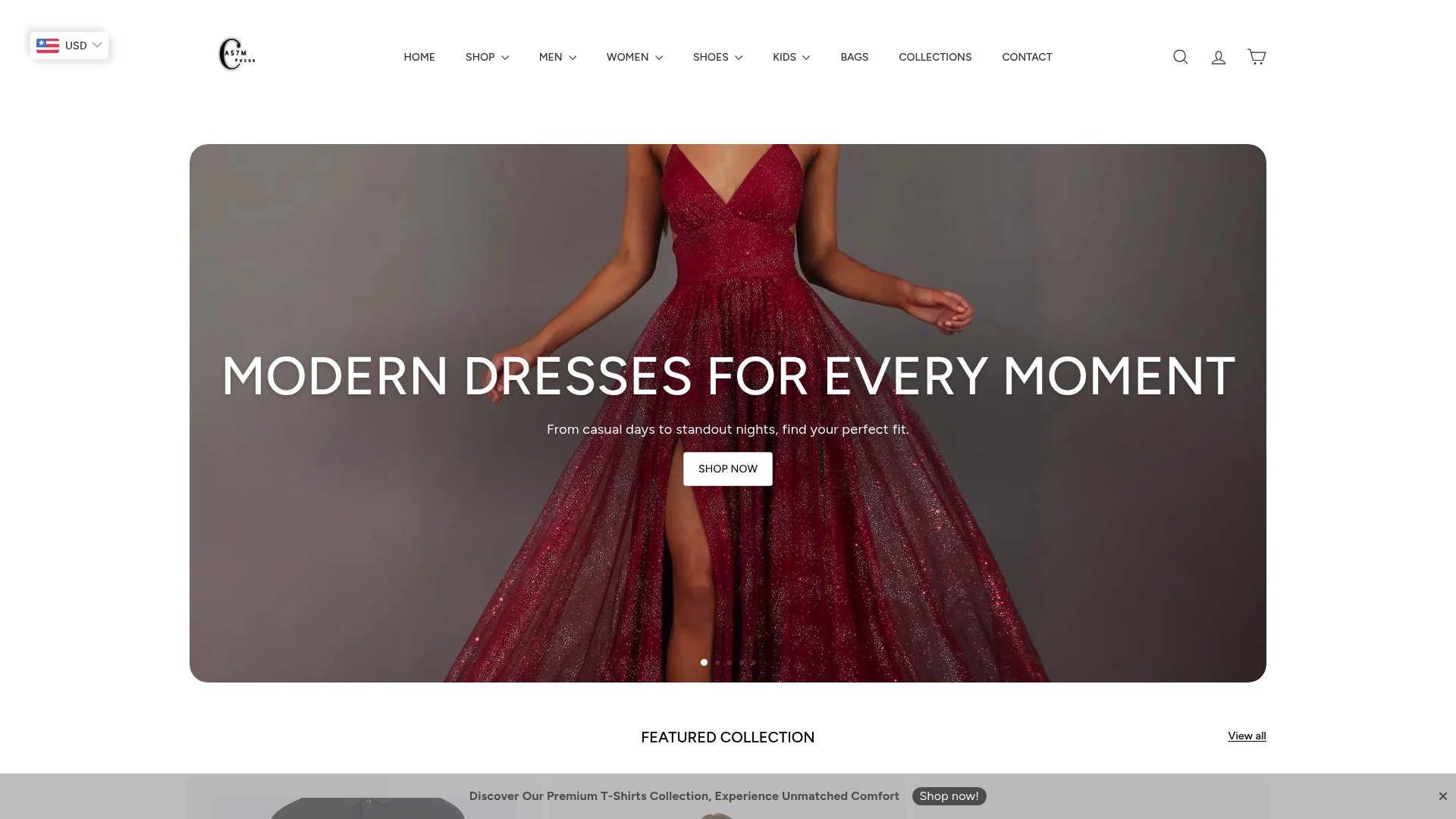
Cas7m ships to the US, and the product pages include detailed sizing information and multiple photos so you can make a confident call without a fitting room. The catalog covers women’s, men’s, and kids’ styles, so it works for a full household refresh, not just a solo wardrobe update.
Browse the full Cas7m collection and pick one foundational piece to test fit and fabric. That’s the lowest-friction way to know whether a brand belongs in your regular rotation.
FAQ
Who are Aritzia’s main competitors in the US?
Aritzia’s closest US competitors include Reformation, Zara, Madewell, COS, Everlane, and Abercrombie & Fitch — brands that target a similar aesthetic and price range across minimalist, trend-led, and elevated categories.
What store is most similar to Aritzia overall?
COS is the closest match for Babaton fans (tailored minimalism), while Reformation mirrors Wilfred’s romantic femininity. For everyday basics at a lower price, Uniqlo and Cas7m cover the TNA-adjacent casual-elevated territory.
What is the 3-3-3 rule for building a capsule wardrobe?
The 3-3-3 rule means choosing 3 tops, 3 bottoms, and 3 pairs of shoes — nine items that create at least nine distinct outfits. It’s a practical method for testing new brands without overbuying.
Do European brands like COS and Mango run small compared to Aritzia?
Yes, generally. European-origin brands often size down relative to North American sizing. Always compare actual garment measurements from the size chart rather than relying on the nominal size label.
Is Cas7m a good alternative to Aritzia for basics?
Cas7m carries minimalist, comfortable basics — seamless knits, high-waist leggings, and casual tops — at prices well below Aritzia’s range, making it a practical option for shoppers who want the everyday-comfort aesthetic without the premium price.

