


Cart
0
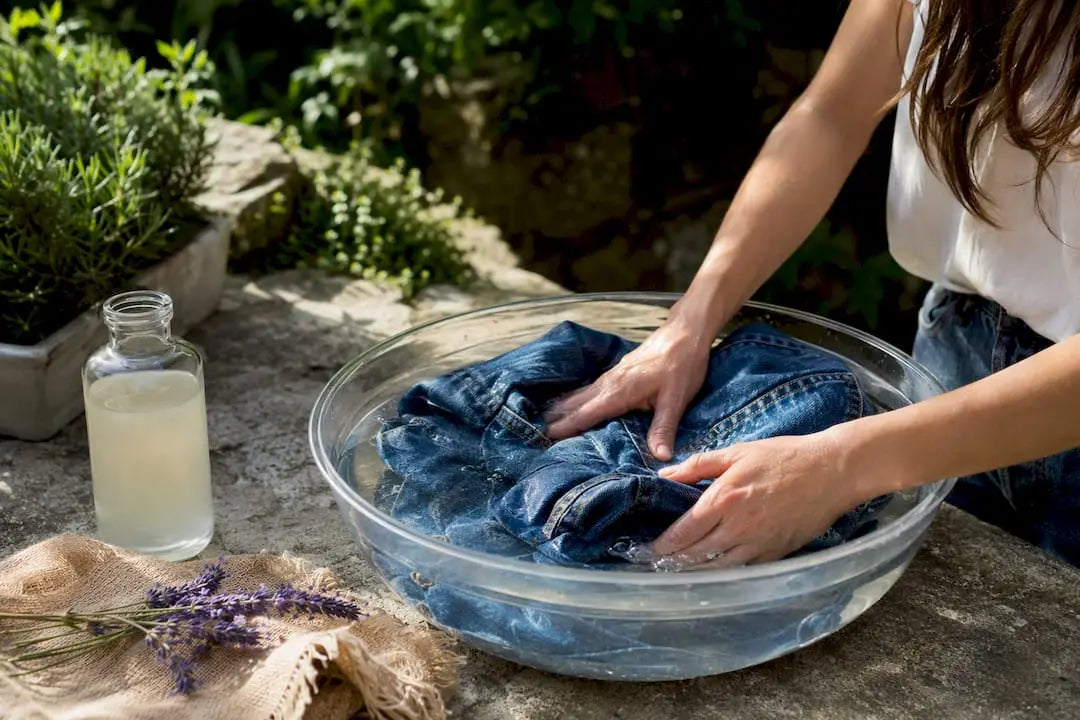
The safest way to wash most jeans is a cold, gentle machine cycle with the pair turned inside out. Cold water and low mechanical stress protect the dye and keep the fabric from shrinking or pilling.
- Machine wash: everyday jeans in good shape, cold water, gentle cycle, turned inside out.
- Hand wash: raw denim, dark washes you want to keep dark, or anything with embroidery or leather patches.
- Always check the care label first — some jeans have specific instructions that override general rules.
Raw or premium denim usually needs even gentler handling and a longer wait before its first wash.
Key Takeaways
Cold water, a gentle cycle or hand wash, and drying without high heat are what actually keep jeans from fading, shrinking, or falling apart early.
| Point | Details |
|---|---|
| Default to cold and gentle | Machine wash on cold, delicate cycle, turned inside out, for most everyday jeans. |
| Hand wash for raw or premium denim | Soak 15 to 30 minutes in cold water, swish gently, and skip wringing when you dry. |
| Wait on raw denim’s first wash | Hold off four to six months for high-contrast fades, or wash earlier for even, deep color. |
| Follow the 8 to 10 wear rule | Wash sooner for stains, sweat, or heavy work; skip washing for light everyday wear. |
| Avoid the biggest damage triggers | Skip hot water, chlorine bleach, fabric softener, and high heat drying. |
Table of Contents
- How to Wash Jeans in the Machine Step by Step
- How to Hand-Wash Jeans for Better Color Retention
- Should You Wait to Wash Raw Denim?
- How Do You Get Stains Out of Jeans Without a Full Wash?
- What’s the Best Way to Dry Jeans Without Shrinking Them?
- How Often Should You Really Wash Your Jeans?
- What Washing Mistakes Are Wrecking Your Jeans?
- Do Experts Really Say You Should Never Wash Jeans?
- Why I Wash Different Jeans Differently
- Ready to Add a New Pair to Your Rotation?
- Sources
- FAQ
How to Wash Jeans in the Machine Step by Step
Modern, pre-washed jeans handle machine washing fine as long as you set it up right. Start with prep: check the care label, close every zipper and button, turn the jeans inside out, and pretreat any visible stains before they go in the drum. Wash dark jeans with other dark items only, never with light-colored laundry, since dye transfer happens fast in the first few washes.
- Turn jeans inside out and fasten all closures.
- Set the machine to cold water on the delicate or gentle cycle, following expert advice on delicate-item washing methods to help your jeans last longer (how to wash period underwear and make it last).
- Use a small amount of dark-safe or cold-formula detergent.
- Select a short spin cycle to reduce wrinkling and stress on seams.
- Add a half cup of white vinegar to the rinse water if you want extra help setting the color.
Cold water washing on a gentle setting can cut energy use for a load by up to 90% compared with hot water, and cold-formula detergents are built to lift stains without fading dark dye.
- Don’t overload the machine. Jeans need room to move for the water and detergent to rinse cleanly.
- A mesh laundry bag adds a layer of protection against the drum’s friction, especially for jeans with distressing or patches.
- Pull jeans out as soon as the cycle ends and reshape them by hand before hanging.
Pro Tip: Skip the fabric softener. It clings to denim fibers and dulls the color instead of protecting it.
How to Hand-Wash Jeans for Better Color Retention
Hand washing puts far less mechanical stress on denim than any machine cycle, which is why it’s the better call for raw denim, dark washes, or anything with delicate trim. Hand washing inside out in cold water and hanging to dry keeps the fabric closer to its original color for longer.
- Turn the jeans inside out and fill a sink or tub with cold water.
- Add a small amount of mild detergent, or a splash of white vinegar as an alternative.
- Soak for 15 to 30 minutes, gently swishing the fabric instead of scrubbing.
- Drain and refill with clean water to rinse out any remaining soap.
- Press out excess water by rolling the jeans in a dry towel. Never wring them.
- Spot-soak a single dirty section if the rest of the jeans are still clean.
- Repeat the rinse step once more if the water still looks cloudy after the first rinse.
Jeans with hardware, patches, or leather details do best with a hand-wash routine similar to the gentle techniques used for wool and cashmere, where mechanical agitation is the enemy.
Should You Wait to Wash Raw Denim?
Raw denim rewards patience. Wearing it for four to six months before the first wash lets creases and wear patterns set into the indigo, creating the high-contrast fades collectors chase. That waiting period isn’t required, though — if you’d rather keep an even, deep indigo color, an earlier gentle wash is a legitimate choice, not a mistake.
When you do wash raw denim for the first time:
- Hand-soak in cold water, or use a gentle machine cycle with zero agitation.
- Wash the jeans alone, never with other laundry.
- Add an extra rinse cycle to clear out excess dye without stripping color.
Pro Tip: If your goal is sharp, high-contrast fades, don’t rush the first wash. Waiting is the entire point.
How Do You Get Stains Out of Jeans Without a Full Wash?
Blot a fresh stain immediately. Rubbing pushes the substance deeper into the weave and can spread dye around the stain, making it worse.
- Food or grease: blot with a paper towel, then dab mild dish soap directly on the spot and rinse with cold water.
- Grass stains: apply diluted white vinegar to the area and let it sit for 10 minutes before rinsing.
- Ink: dab (don’t rub) with rubbing alcohol on a cotton pad, working from the outside of the stain in.
- Sweat or odor: spritz a mix of water and a little vinegar, then let the jeans air out before wearing again.
Skip chlorine bleach on any colored denim — it strips dye unevenly. Oxygen-based bleach is fine for white denim only. If a stain has set for days or covers a large area, it’s time for a full wash or a professional cleaner.
Pro Tip: Keep a small vinegar spray bottle near your closet. Most stains come out faster the moment you catch them.
What’s the Best Way to Dry Jeans Without Shrinking Them?
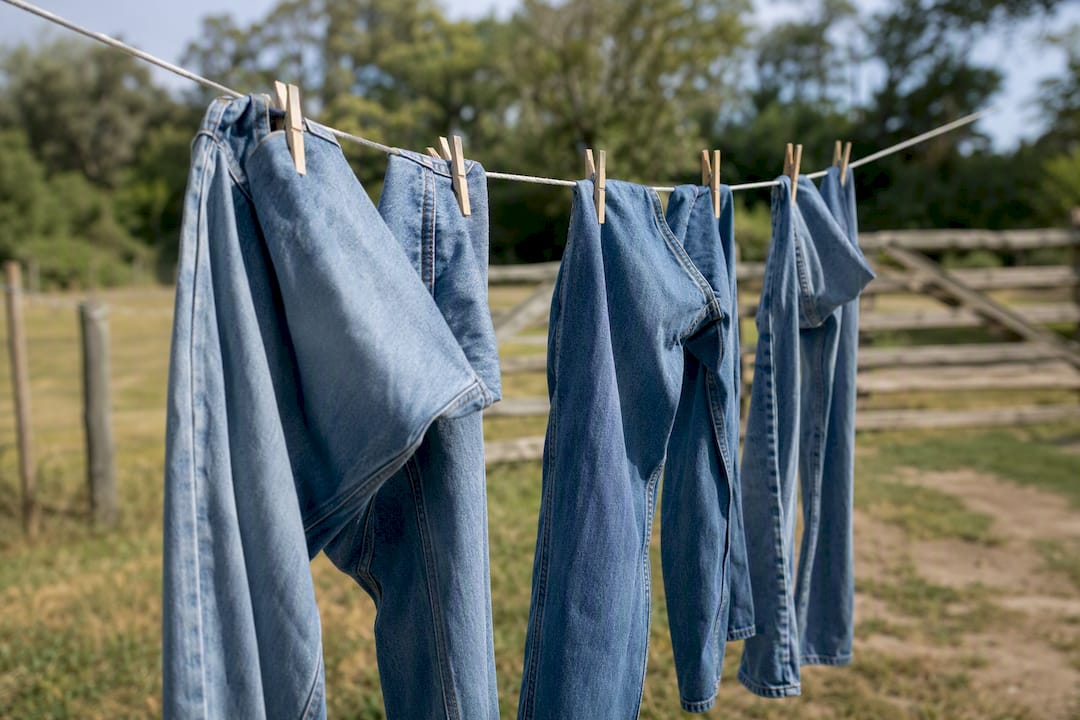
Air drying is the gentlest option and the one most likely to keep both color and fit intact. Hang jeans by the waistband or lay them flat, and keep them out of direct sun, which fades indigo faster than washing does.
If you need the dryer, use low or no heat and pull the jeans out while they’re still slightly damp, then let them finish air drying. High heat is what actually causes shrinkage, not the water itself.
-
Smooth out seams and pockets by hand before hanging.
-
Pull the waistband and legs gently back to their original dimensions while damp.
-
Some people put jeans back on around 90% dry so the denim molds to their body for a more custom fit.
-
Do: hang or lay flat, use low heat if tumbling.
-
Don’t: use high heat, wring out water, or leave jeans balled up wet.
Once you’ve dialed in a fit you like, it’s worth locking it in with the right cut from the start. A fit guide for jeans can help you choose a pair that holds its shape wash after wash.
How Often Should You Really Wash Your Jeans?
Wash most jeans about every 8 to 10 wears. That’s the rule of thumb laundry experts land on for everyday denim under normal conditions.
Wash sooner if you’ve sweated heavily, worked a physically demanding shift in them, or picked up a stain that spot-cleaning won’t fix. Raw denim flips this rule: wait longer before the very first wash, then settle into washing less often once fades are established, since fewer washes preserve the pattern you waited months to create.
- Visible stain or odor that won’t air out? Wash it.
- Light dust or wrinkles after one wear? Just air it out.
- No stains, no odor, under 8 to 10 wears? Skip the wash.
What Washing Mistakes Are Wrecking Your Jeans?
Hot water is the biggest offender. It relaxes fibers, causes shrinkage, and fades dye far faster than cold water ever will. Harsh detergents and chlorine bleach strip color unevenly, and high heat in the dryer compounds all of it.
- Washing new dark jeans alongside light-colored clothes (dye transfer happens in the first few washes).
- Overwashing jeans that don’t actually need it yet.
- Ignoring early warning signs: pilling, thinning at the crotch or thighs, or patchy fading.
The fix for most of these is simple: cold water, gentle cycle, sorted by color, and a wash schedule based on actual wear, not habit.
Do Experts Really Say You Should Never Wash Jeans?
No. That advice, and the freezer trick that supposedly substitutes for it, don’t hold up. Freezing kills nothing meaningful on fabric and does nothing to remove oils or soil already embedded in the fibers.
Skin cells and body oils, not just visible dirt, are what make denim brittle over time in high-stress areas like the crotch and knees. Regular, gentle washing prevents that fiber breakdown rather than causing it.
- Some washing beats none for the fabric’s actual lifespan.
- Machine washing on cold and gentle works for most modern denim; hand washing reduces wear further for premium pairs, per Whirlpool’s care guidance.
Why I Wash Different Jeans Differently
I hand-wash my raw denim and machine-wash everything else. It’s not fussiness. Cheap, dark jeans thrown in on cold hold their color fine in the machine, but the pair I waited five months to wash the first time gets the gentler treatment every single time. The routine matches the investment, and the color has stayed noticeably deeper for it.
Ready to Add a New Pair to Your Rotation?
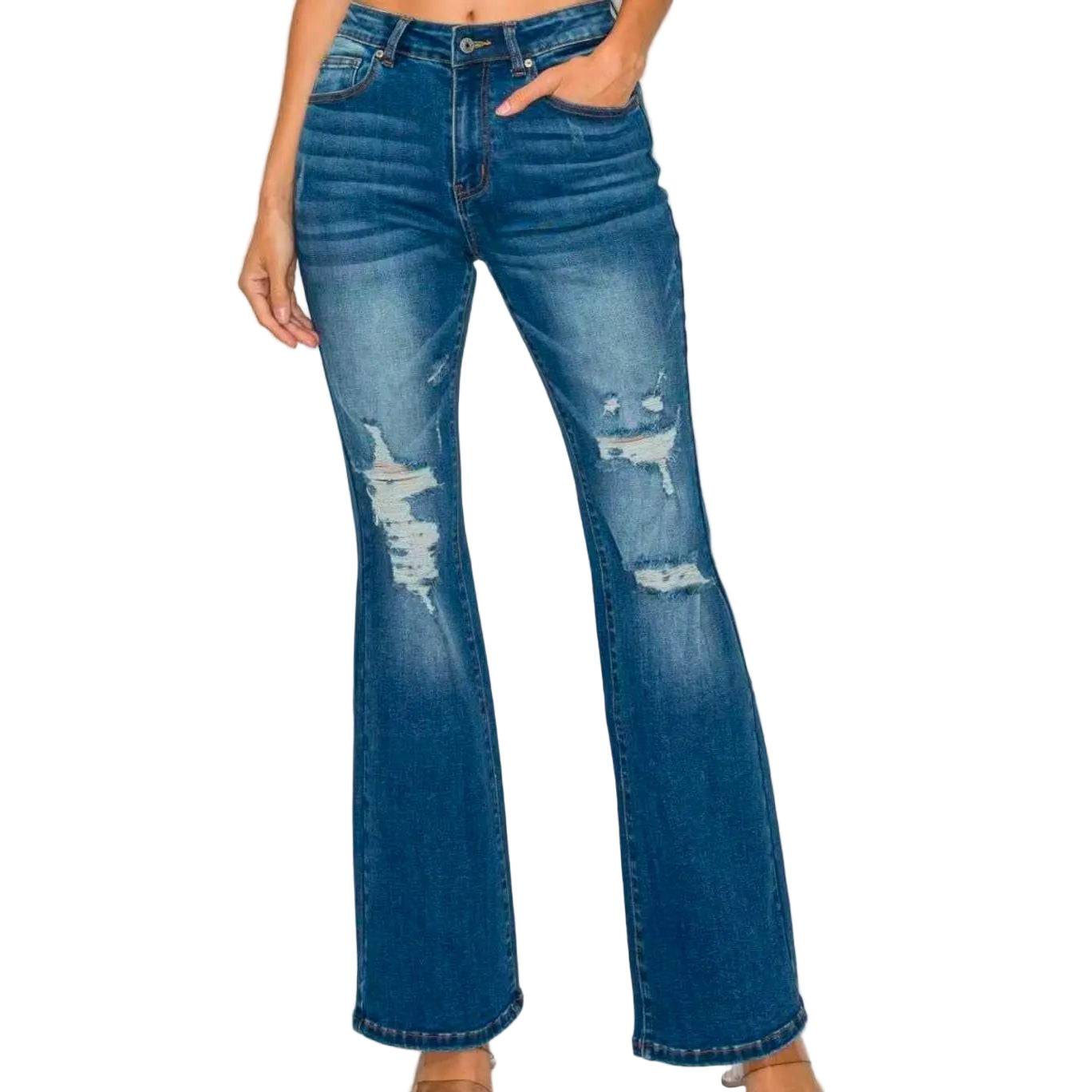
A wash routine only matters if the jeans underneath are worth protecting. If your current pairs are looking tired at the knees or stretched out at the waist, it might be time to replace rather than rescue. Browse CAS7MFOCUS’s collection for fits built to hold their shape and color through the kind of care outlined above, and pick up pieces to round out the rest of your wardrobe while you’re at it, including loose printed shirts that pair easily with any denim wash.
Sources
- How to wash jeans - Whirlpool
- How to wash jeans - Tide
- How to Wash Your Jeans | Reviews by Wirecutter
FAQ
Can I Wash My Jeans in a Washing Machine?
Yes, for most modern, pre-washed jeans. Turn them inside out, use cold water on a gentle or delicate cycle, and wash with similar colors to avoid dye transfer.
Do You Put Jeans in the Dryer?
You can, but use low or no heat and pull them out while still slightly damp to prevent shrinking. Air drying is gentler on color and fit overall.
How Do You Wash Jeans Without Ruining Them?
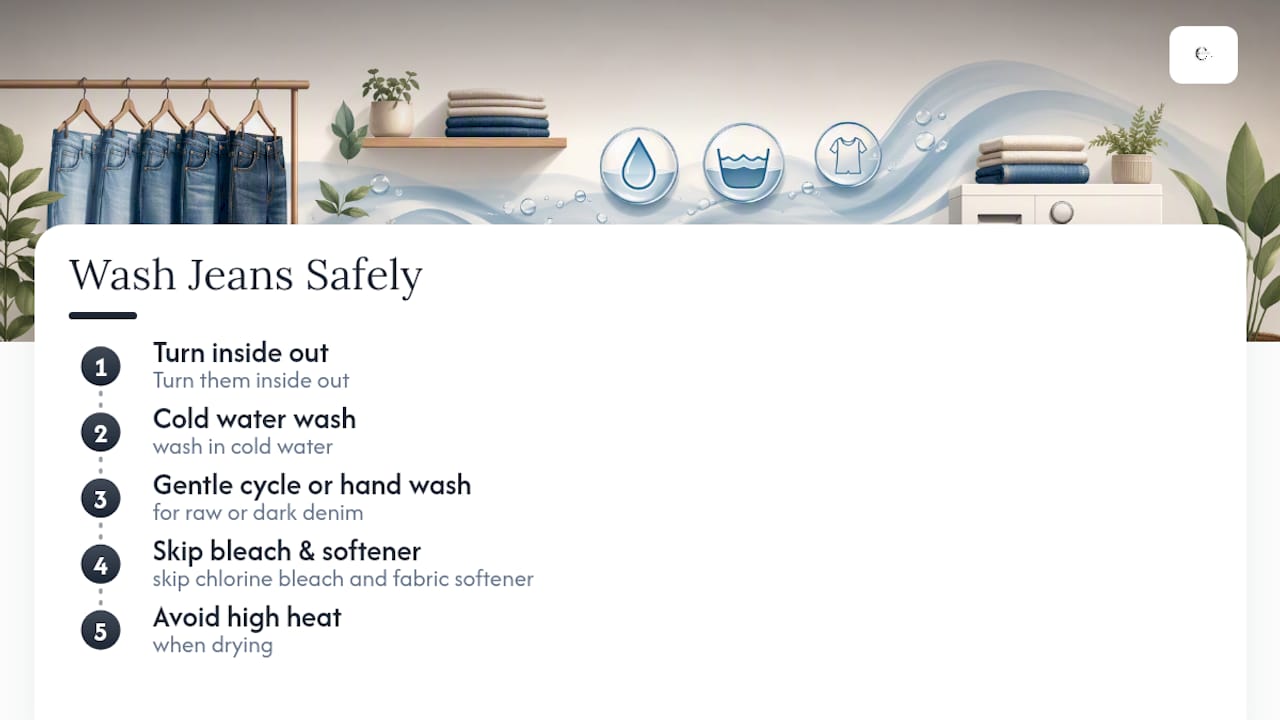
Turn them inside out, wash in cold water on a gentle cycle (or hand wash for raw or dark denim), skip chlorine bleach and fabric softener, and avoid high heat when drying.
Can I Use Dawn to Wash My Jeans?
Dawn dish soap can spot-treat a grease stain in a pinch, but it’s not formulated for fabric care. Stick to a mild, cold-formula laundry detergent for full washes.

