


Cart
0
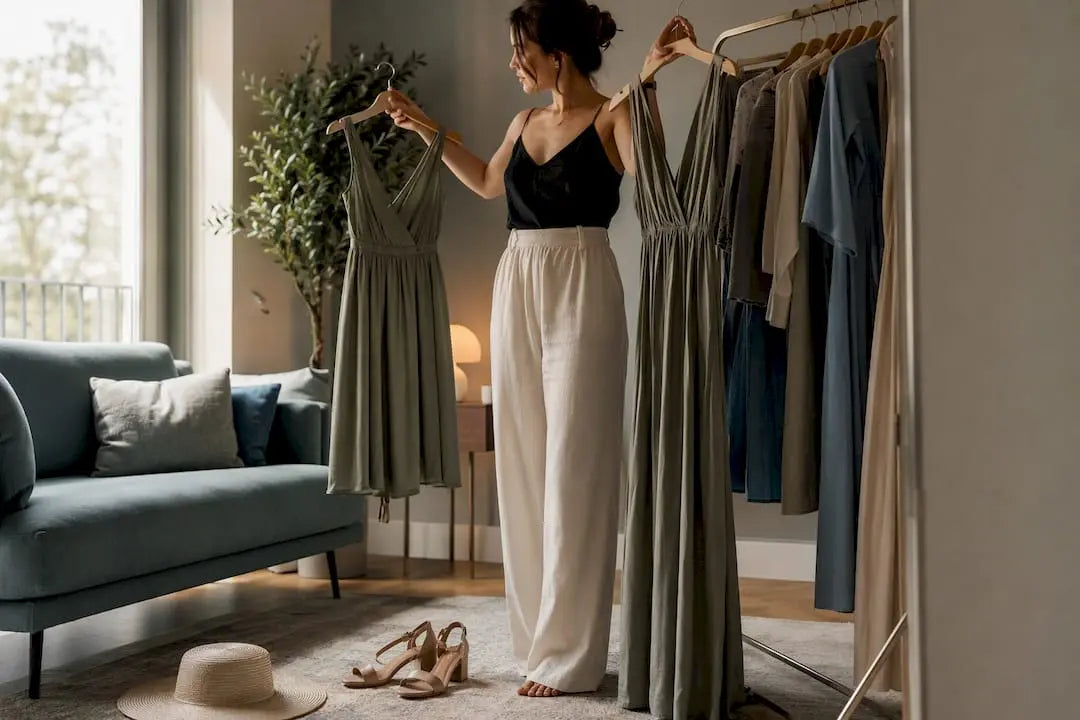
Choose a midi when you need versatile polish that works across dress codes. Choose a maxi when you want an unbroken vertical line and don’t mind a more formal or relaxed statement, depending on fabric. The single deciding factor is proportion, not personal preference: a midi typically falls between the knee and mid-calf, while a maxi extends to the ankle or floor, and each length interacts differently with your height and the shoe you pair with it.
Three quick rules to skip the guesswork:
- Unsure about the dress code? Default to a midi. It’s the most versatile of the three primary lengths and reads appropriately from casual brunch to cocktail hour.
- Want a lengthening effect? Pick a maxi with a V-neck for elongation, and keep the shoe color close to the dress hem.
- Traveling or on your feet all day? A midi gives you more stride room; a maxi favors flats or a slit for mobility.
Key Takeaways
The midi vs maxi dress decision comes down to matching hem placement, fabric weight, and shoe choice to your height, occasion, and how much movement you need that day.
| Point | Details |
|---|---|
| Know your inches | Midi runs about 40 to 47 inches from the shoulder; maxi runs 58 inches or longer. |
| Match shoes to the length | Blend shoe color with a maxi to elongate the leg, or make a deliberate contrast statement. |
| Fix fit with details, not just length | Use waistlines, V-necks, and vertical seams to adjust proportion before switching lengths entirely. |
| Layer maxis carefully | Keep outer layers ending at the natural waist to avoid breaking the vertical line. |
| Shop CAS7MFOCUS with confidence | CAS7MFOCUS lists shoulder-to-hem measurements on midi and maxi styles so you can match fit before buying. |
Table of Contents
- Midi vs Maxi Dress Length: The Real Numbers
- Pros and Cons of Midi and Maxi Dresses
- Which Body Shapes Look Best in a Midi or Maxi?
- Outfit Formulas: Shoes, Layers, and Belts for Both Lengths
- How Fabric Turns a Midi or Maxi Casual or Formal
- How to Measure Yourself for the Perfect Hem
- Your 60-Second Midi vs Maxi Checklist
- Petite and Tall Adjustments Worth Knowing
- Dressing for the Season in a Midi or Maxi
- Best Fabrics for Midi and Maxi Dresses
- Try Both Lengths With CAS7MFOCUS’s Curated Dress Edit
- Sources
- FAQ
Midi vs Maxi Dress Length: The Real Numbers
The difference between these two lengths comes down to inches, not vibes. A midi dress typically measures about 40 to 47 inches from the shoulder and lands somewhere between the knee and mid-calf. A maxi usually runs 58 inches or longer, reaching the ankle or grazing the floor.
Here’s how the placement breaks down as the hem drops:
- Knee length: the shortest edge of “midi” territory, often called a tea-length hem.
- Mid-calf: the classic midi zone, and the trickiest spot to get right (more on that below).
- Ankle length: where maxi dresses typically begin.
- Floor length: full maxi, usually reserved for formalwear or flowing everyday silhouettes.
Picture a vertical line running from shoulder to floor, marked at the knee, mid-calf, ankle, and floor. That’s the entire midi vs maxi dress length conversation in one image. When shopping online, always check the listed shoulder-to-hem measurement rather than assuming a “size medium” hits the same spot on every body.
Pros and Cons of Midi and Maxi Dresses
Every length trades something for something else. Here’s the honest breakdown.
Midi dress advantages: more structured and tailored, works in professional settings, easier to walk and sit in, transitions from desk to dinner.
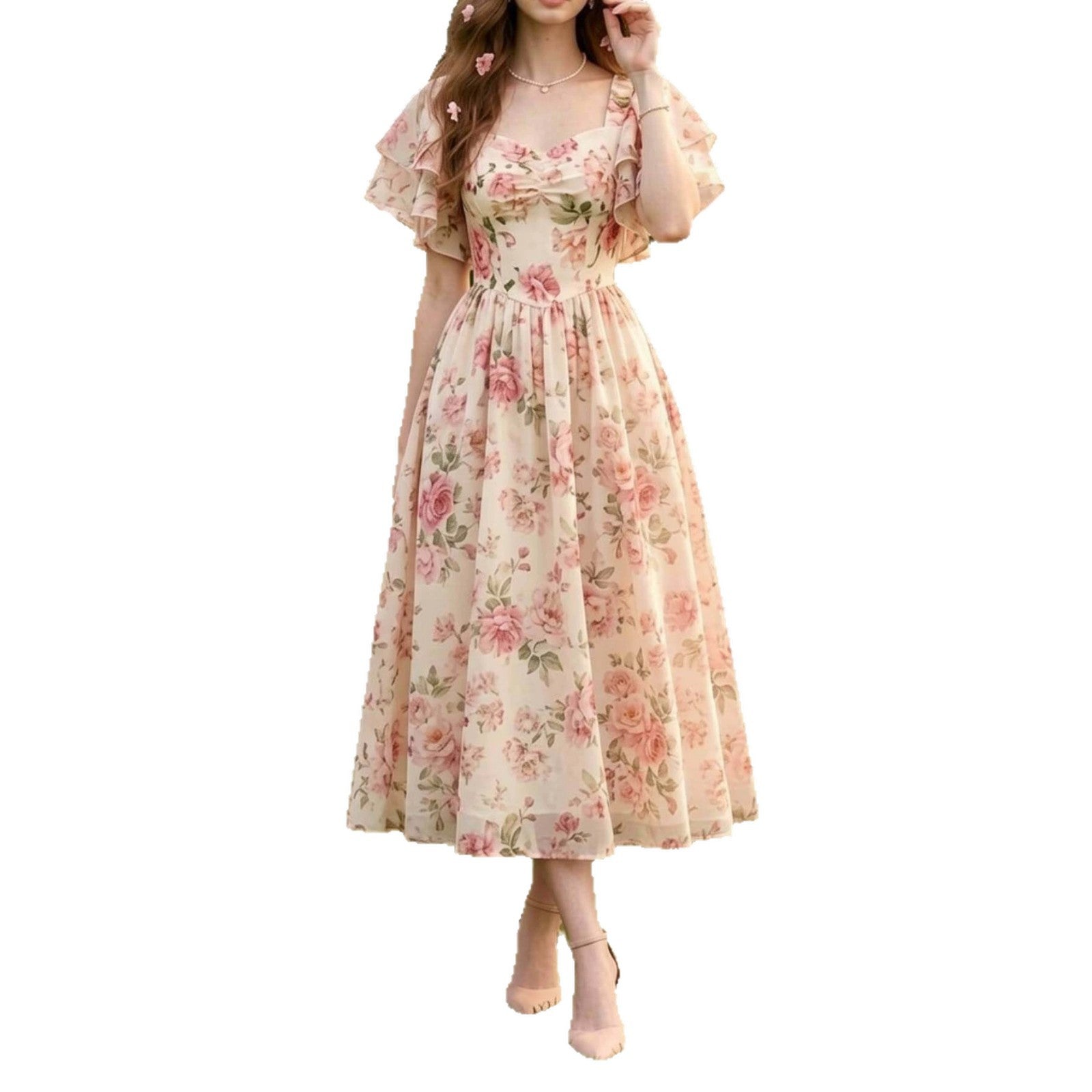
Midi dress drawbacks: can shorten the look on petite frames if the hem lands wrong, less dramatic for formal events.
Maxi dress advantages: flowy and relaxed, elongates the body, doubles as beachwear or black-tie depending on fabric, minimal effort for maximum coverage.
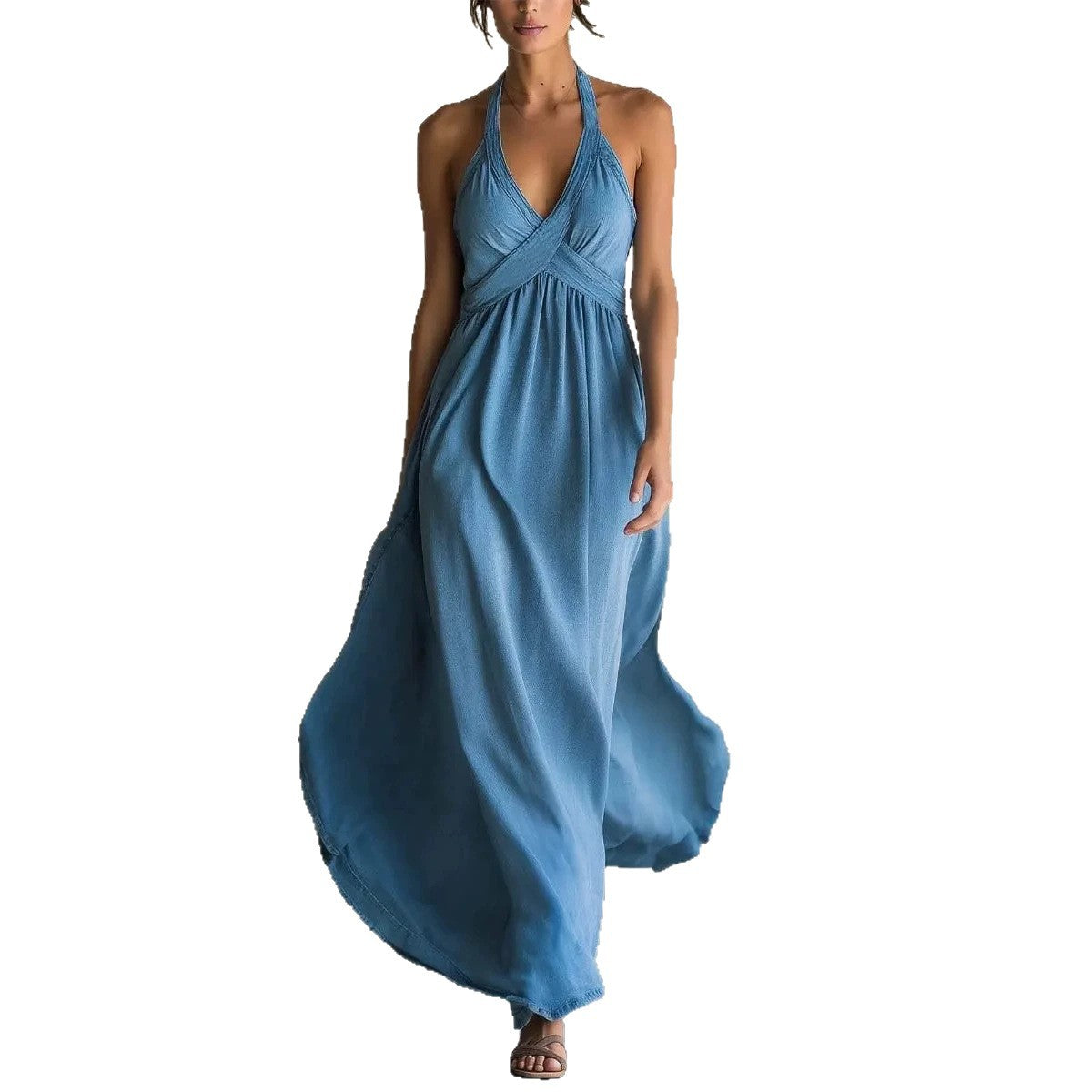
Maxi dress drawbacks: harder to move in fitted styles, needs the right shoe to avoid dragging, can swallow smaller frames if not fitted at the waist.
For weekend travel, a maxi packs light and hides wrinkles. For the office, a midi wins nearly every time.
Which Body Shapes Look Best in a Midi or Maxi?
Both lengths flatter every body type. What matters is where the hem lands relative to your narrowest and widest points, and how the fabric moves.
- Hourglass: both lengths work, but choose a midi or maxi with waist definition (belt, wrap, or seaming) to echo your natural shape.
- Pear: an A-line midi or a maxi with a fitted bodice and flared skirt balances hips against shoulders.
- Apple: an empire-waist maxi or a midi with a defined but not tight waistline skims the midsection without clinging.
- Rectangle: create curves with a cinched-waist midi or a maxi with a belt to introduce shape where the silhouette runs straight.
- Inverted triangle: a fuller midi or maxi skirt balances broader shoulders by adding volume below the waist.
- Petite: a midi that hits just below the knee, or a maxi worn with a heel, both read taller than a hem landing mid calf.
- Tall: almost any midi or maxi works, though a maxi with a leg slit avoids feeling like a tent on a longer frame.
- Plus size: a structured midi with waist emphasis or a flowing maxi in a fluid fabric both flatter, depending on whether you want definition or drape.
The proportion between garment and body matters more than any single “rule” tied to body type.
Pro Tip: Avoid a midi hem that lands exactly on the widest part of your calf. Moving it an inch up or down, or switching to a maxi, instantly changes how the leg reads. Vertical seams, a subtle side slit, or a V-neckline also add length without touching the hemline.
Outfit Formulas: Shoes, Layers, and Belts for Both Lengths
The right shoe and layer make or break a midi vs maxi dress outfit. Here are four formulas per length you can copy today.
Midi formulas: office (crepe midi + blazer + low block heel), weekend (cotton midi + sneakers + denim jacket), evening (satin midi + strappy heel + statement earrings), travel (jersey midi + flats + cardigan).
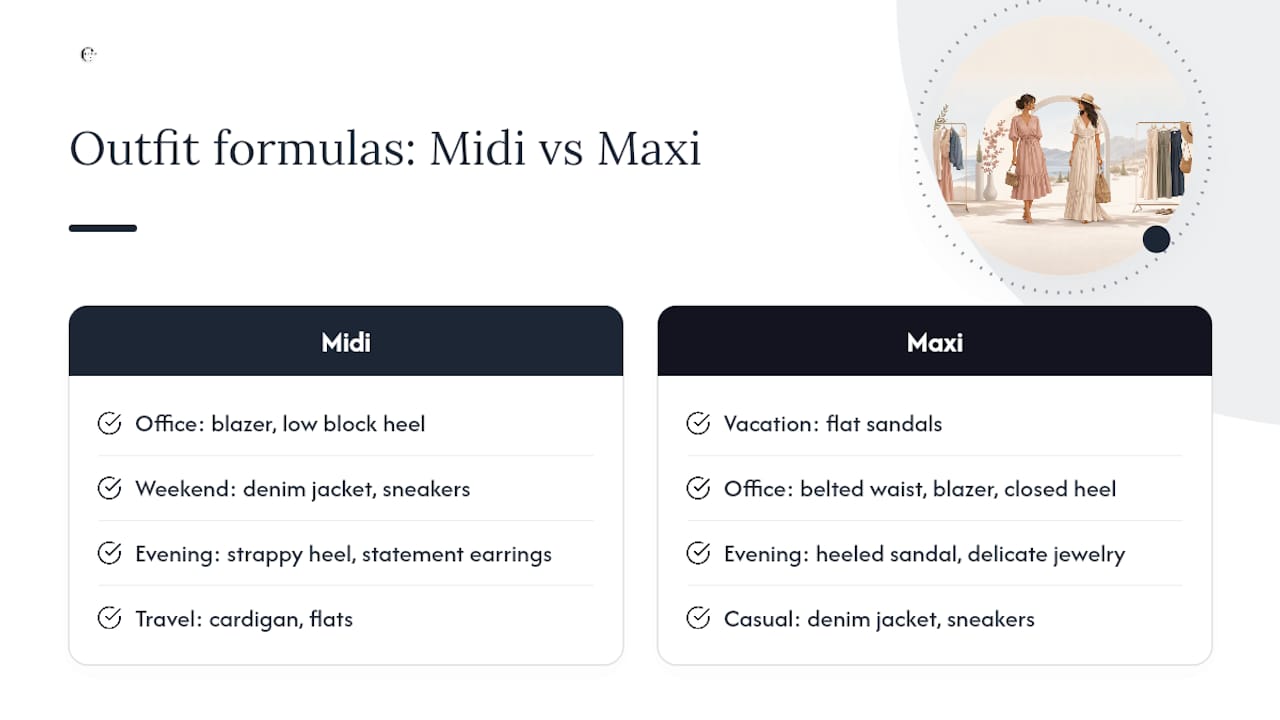
Maxi formulas: vacation (linen-blend maxi + flat sandals), office (structured maxi + belted waist + tailored blazer + closed-toe heel), evening (silk maxi + heeled sandal + delicate jewelry), casual (cotton maxi + sneakers + denim jacket).
For maxis, stylists follow a binary shoe rule: either blend the shoe color with the dress to stretch the leg line, or make a deliberate statement with a bold, polished shoe. A chunky, mismatched sandal cuts the silhouette in half.
Pro Tip: Match your shoe color to your dress hem for the most elongating effect, and keep heel height proportional. Midis pair well with a 1 to 3 inch block heel; maxis look longest with a slim 2 to 4 inch heel or a flat sandal that peeks out just enough to show ankle.
How Fabric Turns a Midi or Maxi Casual or Formal
Length sets the silhouette, but fabric decides how dressed up it reads. A cotton or jersey midi or maxi reads casual no matter how long it is. Silk, satin, and crepe elevate either length into cocktail or wedding-guest territory. Velvet pushes both into formal evening wear.
A few real-world builds: for a summer wedding, a crepe maxi with a defined waist and heeled sandal. For the beach, a linen-blend maxi with flat sandals and minimal jewelry. For the office, a structured maxi with a belted waist, tailored blazer, and closed-toe low heel reads professional despite the floor-length hem. For travel days, a breathable midi in a wrinkle-resistant knit handles airports and taxis better than a floor-sweeping hem.
Breathable fabrics matter more in summer heat, while a heavier crepe or ponte knit midi holds structure better through fall and winter layering.
How to Measure Yourself for the Perfect Hem
Getting the hem right starts with a tape measure, not guesswork.
- Measure from the top of your shoulder straight down to where you want the hem to fall.
- Put on the shoes you plan to wear with the dress before marking your target length.
- Note where your knee, mid-calf, and ankle fall on that measurement so you can compare it to a size chart.
- Check the product listing’s shoulder-to-hem number instead of relying on a numeric size, since brands measure inconsistently.
As a rough guide, someone around 5’4" typically needs a midi in the 43 to 45 inch range to hit mid-calf, while a 5’8" frame often needs closer to 47 inches for the same placement.
Pro Tip: If a midi runs slightly long, ask a tailor to shorten from the bottom hem only, never the waist seam, to preserve the silhouette. For maxis on petite frames, ask for a rolled hem that removes excess length without adding bulk.
Your 60-Second Midi vs Maxi Checklist
Run through this before you check out:
- What’s the occasion? Formal event, lean maxi in silk or crepe. Casual day, either length works.
- What’s your height and heel plan? Wearing flats, a midi keeps proportions balanced. Wearing heels, a maxi will skim the floor correctly.
- How much movement do you need? Traveling through airports or standing all day favors a midi’s shorter stride room.
- What fabric matches the formality? Structured and elevated for work or events, soft and flowy for downtime.
If you still can’t decide, pick a crepe midi. It moves between casual and dressy occasions with almost no styling effort.
Petite and Tall Adjustments Worth Knowing
Height changes how the same dress reads, and most fit problems come from treating a hem as one-size-fits-all.
On a petite frame, a maxi can easily overwhelm if the waist isn’t defined or the length isn’t shortened. The fix is simple: always hem a maxi to your actual height rather than assuming “petite” sizing solves it, since petite lines still vary between brands. A midi is often the safer starting point for petite shoppers because a hem landing just below the knee, rather than mid-calf, visually stretches the leg. Avoid horizontal design details near the waist or hem, since they can cut a shorter frame into visual blocks.
Tall women face the opposite issue: standard midi lengths can ride up higher than intended, landing closer to mid-thigh than knee. If you’re above 5’8", check the shoulder-to-hem measurement carefully before buying a midi, and size up in length when a brand offers a “tall” fit. Maxis are usually easier for taller frames since there’s rarely a risk of the dress reading too short.
The most common pitfall for both groups is buying based on a garment photographed on a model with a different height. A 5’10" model wearing a midi at mid-calf will look completely different on a 5’2" frame, where the same dress could brush the ankle. Cross-check the actual shoulder-to-hem inches, not just how the length “looks” in a product photo, before you commit.
Dressing for the Season in a Midi or Maxi
Weather changes how a length performs as much as fashion does. Summer favors breathable, lightweight builds in either length: a cotton or linen-blend midi handles heat and humidity without clinging, while a flowing maxi in the same fabrics offers coverage from sun without trapping warmth. A midi dress for summer works especially well for daytime errands or office air conditioning, since the shorter hem keeps you cooler while still reading polished.
Fall and winter call for heavier fabrics and layering strategy. A ponte knit or brushed jersey midi holds up under tights and boots, and pairs easily with a cropped jacket. Maxis need more care in cold months. Bulky sweaters or long coats layered over a maxi can create a boxy silhouette, so outer layers should end at the natural waist or just above to preserve the vertical line rather than breaking it with a longer coat.
Rain and wind matter too. A midi keeps hems out of puddles more reliably than a maxi, which can drag or catch underfoot on wet sidewalks. If you love a maxi for cooler months, look for a slightly shorter cut that clears the ankle by an inch, or plan to wear it with boots that handle moisture.
Transitional seasons reward versatility. A midi in a mid-weight crepe moves from a light cardigan in the morning to bare arms by afternoon, which is part of why it remains the most practical choice across shifting temperatures.
Best Fabrics for Midi and Maxi Dresses
Fabric affects comfort as much as it affects formality, and the two lengths respond differently to weight and drape.
For midis, crepe is close to a universal fit. It holds structure at the waist, moves well when you sit or walk, and resists wrinkling on travel days. Cotton and cotton-blend midis breathe well for summer but wrinkle faster, making them better suited to casual settings than all-day office wear. A midi with waist-cinching detail in a floral print, for example, holds its shape through a full workday while still reading soft and seasonal.
For maxis, fabric weight determines whether the dress floats or clings. Lightweight jersey and linen blends suit warm-weather maxis since they move with the body without sticking. Satin and silk maxis carry more weight and drape closer to the body, which reads elevated for evening events but can feel heavy in high heat. A solid-color maxi in a fluid, flared design works well precisely because the simplicity of the fabric lets the silhouette do the styling work rather than competing with a print.
Ponte knit deserves a mention for both lengths. It’s thick enough for cooler months, structured enough to hold a silhouette without a lining, and forgiving enough that it doesn’t require heavy tailoring to fit well.
When I reach for a midi versus a maxi
I pick a midi for work and anything requiring stairs, transit, or a full day on my feet, and a maxi for low-effort summer days when I want one outfit decision to last from morning coffee to dinner. My go-to formula is a crepe midi, a low block heel, and a blazer I can shed by noon.
Try Both Lengths With CAS7MFOCUS’s Curated Dress Edit
CAS7MFOCUS makes it easy to test what actually works on your frame instead of guessing from a size chart, since every dress listing includes shoulder-to-hem measurements so you can match the fit advice above before you buy.
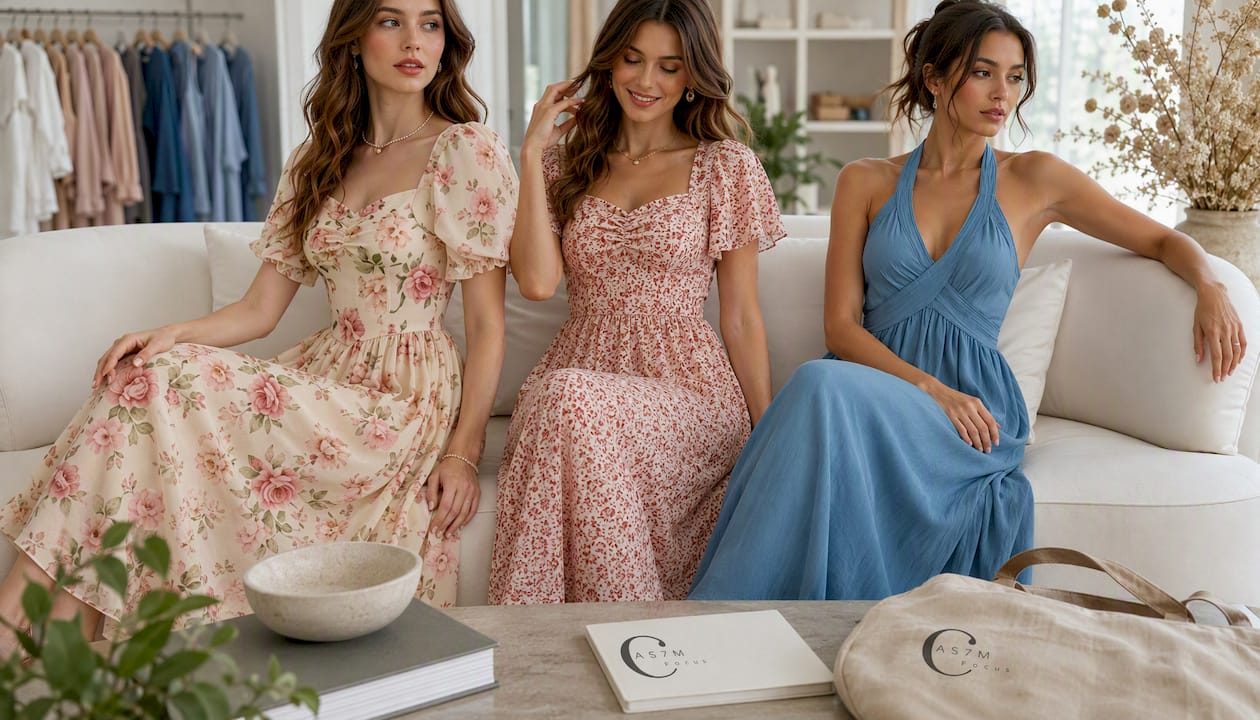
Three pieces worth starting with: the Square-neck Puff-sleeve Floral Print Waist-cinched Midi Dress, built with a defined waist and flared hem for the hourglass and pear fixes covered above; the Womens Floral Print Flounce Short-Sleeve Midi Dress, a lighter cotton-friendly option for warm-weather days; and the Sleeveless Flared Solid-color Maxi Dress, a fluid crepe silhouette that works from beach to office with the right shoe. Browse the full collection, check the listed measurements against your own, and place an order with easy returns if the length isn’t quite right on arrival.
Sources
- Mini vs Midi vs Maxi Dress Comparison
- How To Wear Maxis Dress? 17 Outfit Ideas and Styling Tips
- How To Style a Maxi Dress: 12 Chic Outfit Ideas | DLOOK
FAQ
Is a midi or maxi dress more flattering?
Neither length is universally more flattering. It depends on where the hem lands relative to your calf, knee, or ankle, and whether the waistline and neckline suit your proportions.
What body type looks best in a maxi dress?
Every body type can wear a maxi successfully, but hourglass and rectangle shapes often benefit most from a defined waist, while pear shapes do well with a fitted bodice and flared skirt.
What body type looks best in a midi dress?
A midi flatters nearly every shape when the hem avoids the widest part of the calf; petite frames especially benefit from a hem that lands just below the knee rather than mid-calf.
Can I wear a midi dress if I’m short?
Yes. A midi often works better than a maxi on shorter frames because a hem just below the knee visually lengthens the leg, especially when paired with a heel and a V-neckline.
Is a midi or maxi better for the office?
A structured midi is generally the easier office choice, though a belted maxi with a tailored blazer and closed-toe heel can also read professional, since fabric and fit matter more than length alone.

