


Cart
0

Joggers have a tapered leg, elastic or ribbed ankle cuffs, and often blend in a bit of stretch, making them the pair you can wear to run errands or catch a flight. Sweatpants run baggier and heavier, usually pure cotton or fleece, built for the couch, not the sidewalk. If you’re heading out in public, layering for cold, or want something that photographs well with sneakers, grab joggers. If you’re settling in for a movie night or need maximum warmth on a freezing morning walk, sweatpants win.
That said, the line blurs constantly. Fleece-lined joggers exist. So do slim-cut sweatpants. Fabric and construction, not just the name on the tag, ultimately decide how a pair performs.
- Joggers: tapered fit, cuffed ankle, often a cotton/poly/elastane blend, built for movement and public wear.
- Sweatpants: relaxed or wide-leg fit, open or lightly elastic hem, usually heavier cotton or fleece, built for warmth and lounging.
- Overlap zone: hybrid styles with joggers’ taper and sweatpants’ fleece weight are increasingly common, so check the fabric tag, not just the silhouette.
Key Takeaways
The core rule for choosing between joggers and sweatpants comes down to fit and fabric weight matching your activity, not the label on the product page.
| Point | Details |
|---|---|
| Fit signals purpose | Tapered, cuffed joggers suit public wear and light activity; relaxed sweatpants suit lounging and cold-weather warmth. |
| Fabric drives performance | Cotton fleece insulates but dries slowly; synthetic blends wick moisture and dry fast for workouts. |
| Check the cuff, not the tag | A ribbed, elastic ankle cuff is the most reliable sign of a true jogger, regardless of the listing’s name. |
| Buy for the occasion | Match errands, travel, and light workouts to joggers; match lounging and deep cold to heavier sweatpants. |
| CAS7MFOCUS maps to use case | Fleece-lined, wide-leg, and striped track styles in the CAS7MFOCUS catalog each target a distinct warmth, comfort, or travel need. |
Table of Contents
- Joggers vs Sweatpants: Fit and Silhouette Differences
- What Fabrics Make Joggers and Sweatpants Different?
- When to Wear Joggers vs Sweatpants
- How Do You Check the Fit Before You Buy?
- Which Should You Buy: A Quick Decision Checklist
- Which CAS7MFOCUS Styles Match Your Needs?
- A Short History of Joggers and Sweatpants
- What Do Joggers and Sweatpants Typically Cost?
- Are Joggers or Sweatpants Better for the Environment?
- Our Take: Stop Overthinking the Label
- Ready to Build Your Jogger and Sweatpant Rotation?
- Sources
- FAQ
Joggers vs Sweatpants: Fit and Silhouette Differences
The single biggest difference between joggers and sweatpants versus track pants comes down to how the leg is cut. Joggers taper from the thigh down to a cuffed ankle, usually finished with elastic or a ribbed band. That cuff is doing real work. It keeps the fabric from bunching around your shoe, which is exactly why joggers read as put together enough for public casual wear instead of pajama-adjacent.
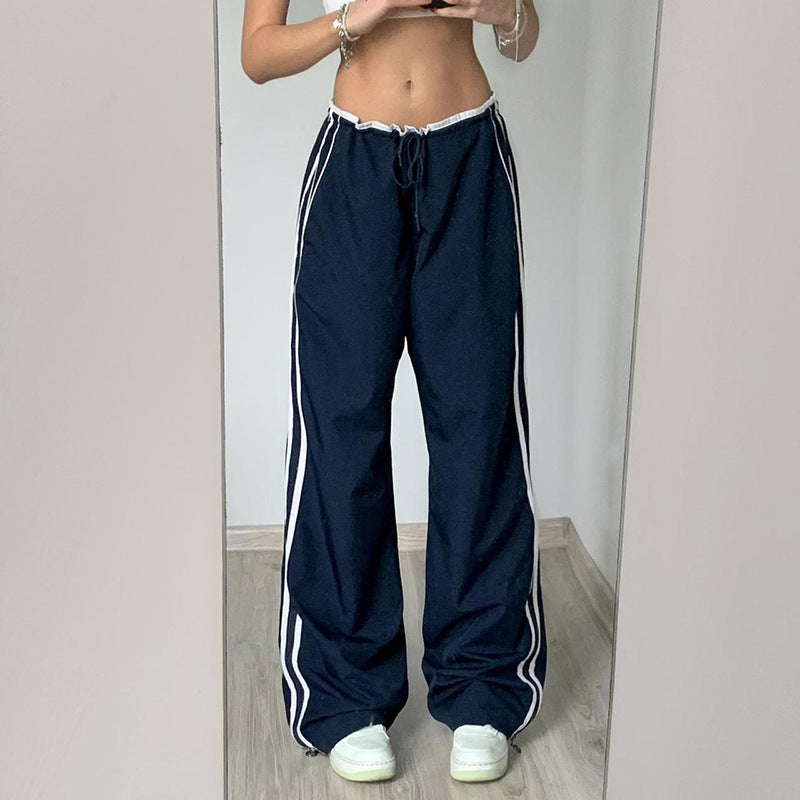
Sweatpants take the opposite approach. The leg stays roughly the same width from hip to ankle, sometimes finished with an open hem, sometimes with a loose elastic cuff that doesn’t hug the leg the way a jogger’s does. That extra fabric volume is what makes sweatpants feel like a blanket you can walk around in, and it’s also what makes them look less finished next to a pair of white sneakers or loafers.
Fit changes how you move, too. A relaxed sweatpant gives your hips and thighs room to spare, which is comfortable for sitting but can feel sloppy during anything more athletic. A tapered jogger keeps fabric closer to the leg, which matters if you’re doing HIIT circuits, lunges, or anything where loose material could catch on equipment.
- Check the rise (how high the waistband sits) against your own torso length before buying online.
- Compare the brand’s inseam measurement to a pair you already own and like.
- Look at product photos for how the ankle cuff sits. A tight, ribbed cuff signals a true jogger; a loose hem signals sweatpants regardless of what the listing calls them.
- If you plan to wear the pants with shoes in public, prioritize a tapered leg and defined cuff over roomy hip space for a more polished look.
Pro Tip: When shopping online, zoom in on the product photo at the ankle. Retailers sometimes mislabel relaxed sweatpants as “joggers” for search traffic, but the cuff never lies.
What Fabrics Make Joggers and Sweatpants Different?
Fabric decides more about comfort and function than the cut does. Material choice dictates function: synthetic blends favor moisture management and high-movement training, while cotton and fleece favor comfort and warmth over performance.
- Cotton fleece: the classic sweatpant fabric. Soft, warm, breathable at rest, but slow to dry and heavy once damp.
- French terry: a lighter cotton knit, common in both joggers and sweatpants, with a looped interior that traps some warmth without the bulk of fleece.
- Cotton/poly/elastane blends: typical in joggers, adding stretch and a faster dry time than pure cotton.
- Performance synthetics (polyester, nylon blends): built for workouts, wicking sweat and resisting odor, though they tend to feel less soft against skin.
Sweatpants are typically baggier and made from thicker cotton or fleece blends, which explains why they favor warmth over athletic performance. A midweight cotton fleece sweatpant can weigh close to double a lightweight jogger blend, and that weight is exactly why sweatpants insulate better in cold weather but overheat fast during exercise.
Care matters, too. Pure cotton sweatpants shrink more in the dryer than poly blends, so cold-wash and low-heat drying protect the fit longer. Synthetic-heavy joggers hold their shape wash after wash but can pill faster if dried on high heat. Either way, skip fabric softener on fleece. It coats the fibers and flattens the loft that makes fleece warm in the first place.
When to Wear Joggers vs Sweatpants
Matching the pant to the moment is where most people get tripped up, and it’s the whole reason “joggers vs sweatpants” keeps coming up as a search question in the first place.
- Errands, travel, or coffee runs: joggers. Modern joggers bridge activewear and everyday style, especially in blends with a touch of elastane that resist wrinkling on a long flight.
- Low-impact workouts, stretching, or a walk: joggers, thanks to the tapered leg and often a zippered pocket for keys or a phone.
- Lounging at home: sweatpants, no contest. Nothing beats a heavyweight fleece pair for a Sunday spent on the couch.
- Cold-weather warm-ups before a run: sweatpants, layered over shorts, then removed once you’re moving and warm.
For styling, joggers pair naturally with clean sneakers, a fitted crewneck, and a bomber jacket. That combination is what fashion editors mean when they describe joggers as elevated athleisure rather than gym leftovers. Sweatpants lean casual no matter what you put them with, so lean into it: an oversized hoodie, slides, and nothing that tries too hard.
- Avoid heavy fleece sweatpants for outdoor workouts in warm weather. Fashion guides consistently warn that fleece retains heat and dries slowly once sweat-soaked.
- Avoid slim performance joggers as your only cold-weather lounge pant. They breathe well, which is the opposite of what you want at 2 a.m. in January.
- If you’re layering joggers or sweatpants under jeans-cut outerwear or boots for a commute, choose a slimmer profile to avoid bulk under a coat.
How Do You Check the Fit Before You Buy?
A few measurements prevent most returns. Start with the rise, the distance from the crotch seam to the top of the waistband, since a low rise on a jogger will sit differently than a high rise on a relaxed sweatpant. Then check the inseam against a pair you already own and trust.
Stretch content matters more than most shoppers realize. A jogger with 3 to 5% elastane recovers its shape after sitting or squatting; a pair with zero stretch will bag out at the knee within a few wears. Reviewing stretch percentage, fabric weight, and pocket construction before committing predicts whether a pant will actually suit its intended purpose.
- Check waistband construction: a wide elastic band with drawstring holds up better over repeated wears than a thin elastic-only band.
- Test cuff elasticity in photos or in person. A cuff with visible ribbing stretches over shoes without losing its snap-back.
- Measure pocket depth if you plan to carry a phone while moving. Zippered pockets keep items secure during activity, while shallow patch pockets do not.
- Size up if you want a relaxed drape or plan to layer leggings underneath; size down for a cleaner, tapered line with sneakers.
Pro Tip: Order the size you’d normally wear in a fitted T-shirt as your baseline for joggers, then size up one for sweatpants if you like extra room through the hip.
Which Should You Buy: A Quick Decision Checklist
Run through five questions before you check out, and the joggers versus sweatpants decision gets a lot easier.
- What’s the primary activity? Errands, travel, or light workouts point to joggers. Lounging or pure warmth points to sweatpants.
- What’s the climate? Cold and static (sitting, watching TV outdoors) favors heavier fleece sweatpants. Cold and moving favors a midweight jogger blend.
- What silhouette do you want? Tapered and put-together means joggers. Loose and relaxed means sweatpants.
- How will you wash and care for them? Frequent washing favors poly blends that resist shrinkage; occasional lounging wear tolerates pure cotton fleece just fine.
- Do you need pockets? Joggers more consistently include zippered or secure pockets, useful for a phone or keys on the move.
- If three or more answers point to joggers, prioritize a tapered fit with light stretch and a ribbed cuff.
- If three or more answers point to sweatpants, prioritize fabric weight and softness over any performance features.
- When in doubt, a midweight French terry jogger splits the difference well for both errands and lounging.
Before buying, run this two-minute script on any product page: What’s the fabric composition? What’s the stated fit (tapered, relaxed, straight)? Does it have secure pockets? Those three answers tell you almost everything the photos won’t.
Which CAS7MFOCUS Styles Match Your Needs?
CAS7MFOCUS builds its casual and streetwear lines around exactly this fit-first logic, pairing everyday comfort with pieces that hold their shape past the first wash. The catalog spans tapered joggers, relaxed sweatpants, and fleece-lined hybrids, so the fit-and-fabric checklist above maps directly onto real product choices rather than staying theoretical.
- Best for warmth: the Striped With Fleece Lining Fleece Sports Pants bring insulated fleece lining for cold-weather lounging or layering on chilly mornings.
- Best for relaxed fit: the Sweatpants Embroidered Men’s And Women’s Wide-leg Pants Loose Casual Pants give hip and thigh room for a true lounge silhouette, with embroidered detail that keeps the look intentional.
- Best for style and travel: the Striped Sports Pants Women Baggy Casual Classic Track Sweatpants Trousers balance a casual track silhouette with a striped detail that reads more finished than a plain sweatpant.
A Short History of Joggers and Sweatpants
Sweatpants trace back to the 1920s, when French designer Émile Camuset developed a jersey knit fabric for athletes training in cold gyms, eventually founding the brand Le Coq Sportif around it. The garment spread through American college athletics in the following decades, prized for warmth between events rather than for looks.
Joggers came later, born directly out of the 1960s and 1970s jogging boom. As running became a mainstream fitness activity, brands introduced tapered, cuffed pants designed to move with the body instead of flapping loosely, borrowing construction ideas from track and field uniforms. The cuffed ankle wasn’t a style choice at first. It kept fabric from catching underfoot during a run.
By the 2010s, both garments had migrated far from their athletic origins. Streetwear designers and sneaker culture pushed joggers into everyday rotation, while sweatpants found a second life as loungewear during the rise of athleisure. The pandemic years accelerated that shift further, cementing both as everyday wardrobe staples rather than purely gym or track gear.
What Do Joggers and Sweatpants Typically Cost?
Price ranges overlap heavily between the two categories, and construction quality drives cost more than the label does. Basic cotton fleece sweatpants from mass retailers often start under $30, while premium fleece with heavier weight, reinforced seams, and brushed interiors can run $60 to $100 or more.
Joggers follow a similar spread. Entry-level poly-cotton joggers sit in the $25 to $40 range, while blends with added elastane, tapered tailoring, and secure zippered pockets climb toward $50 to $90. Designer and performance-brand joggers built with technical synthetics can exceed $100, largely because of the moisture-wicking treatments and reinforced stitching at stress points.
The real cost driver is fabric weight and finishing, not the fit name. A heavyweight French terry jogger with double-needle stitching will often cost more than a lightweight, unlined sweatpant, even though the sweatpant carries the “cozier” reputation. If you’re shopping on a budget, mid-weight cotton blends in either style tend to offer the best balance of durability and price without the premium markup that comes with technical synthetic fabrics or designer labeling.
Are Joggers or Sweatpants Better for the Environment?
Fabric choice shapes the environmental footprint of both garments more than the cut does. Cotton, the base fabric for most sweatpants and many joggers, is water-intensive to grow and often relies on pesticide-heavy farming unless it’s certified organic. Fleece and French terry, both cotton-based knits, share that same upstream water and land use.
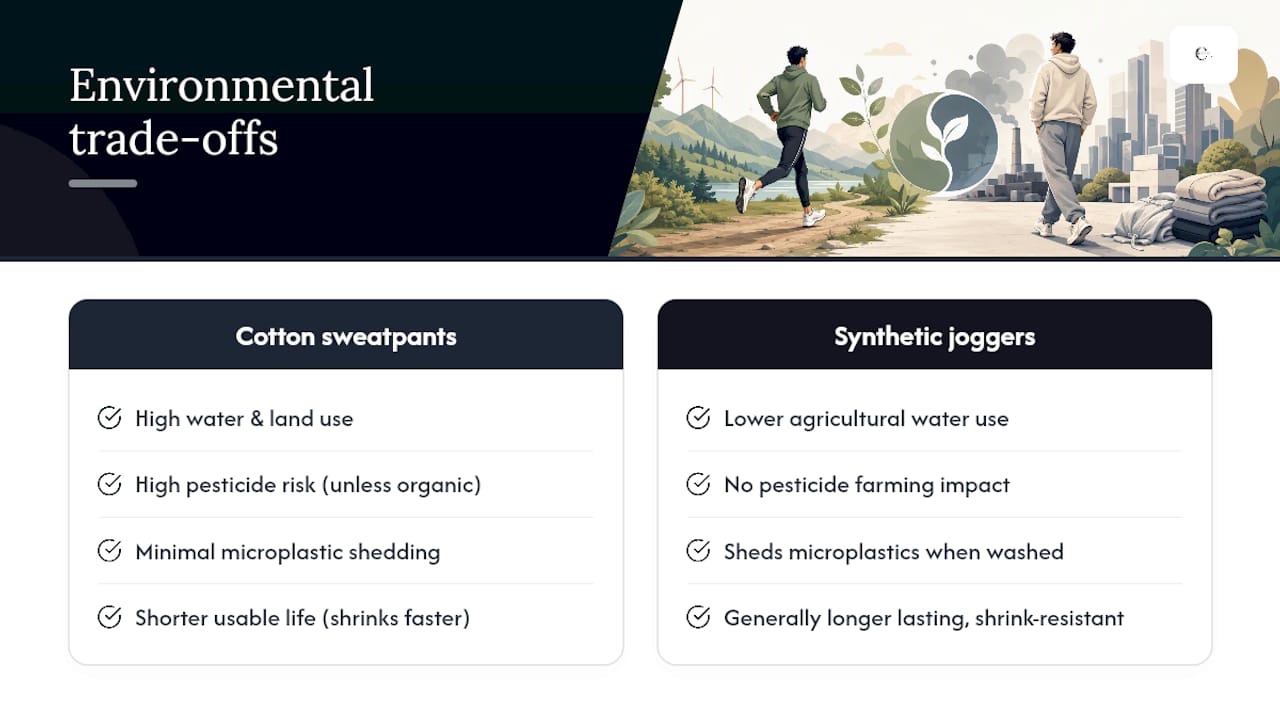
Synthetic blends common in performance joggers, mainly polyester and nylon, come from petroleum and shed microplastics during washing, a growing concern for waterway pollution. They do last longer in many cases and resist the shrinkage that shortens a cotton garment’s usable life, which offsets some of that impact through extended wear.
The most sustainable choice, regardless of style, usually comes down to buying fewer, better-made pairs and washing them less aggressively. Cold water washes reduce microplastic shedding from synthetic joggers and cut down on the shrinkage that sends cotton sweatpants to the donation bin early. Choosing a blend with recycled polyester content, when available, also trims the petroleum footprint of performance-leaning joggers without sacrificing the stretch and durability that make them useful in the first place.
Our Take: Stop Overthinking the Label
The conventional advice treats “joggers vs sweatpants” like a binary style choice, but the more useful question is always about fabric weight and cut, not the name on the tag. A heavyweight fleece jogger behaves like a sweatpant. A slim, French terry sweatpant behaves like a jogger. Retailers use both terms loosely, which is exactly why so many buyers end up disappointed by a pair that looked tapered in photos and arrived boxy in person.
What gets underrated is the ankle cuff. It’s a small detail, but it does more to determine whether a pant reads as “put together” or “just rolled out of bed” than the fabric or the price tag. If you only check one thing before buying, check that.
Prioritize fit for how you’ll actually use the pants, not how the product title reads. A pant built for lounging that happens to have a tapered leg is still a lounge pant. Buy for the occasion first, and let the label sort itself out.
Ready to Build Your Jogger and Sweatpant Rotation?
Skip the guesswork of sorting through dozens of near-identical listings elsewhere. CAS7MFOCUS keeps its casual line organized around real use cases, fleece-lined for warmth, wide-leg for lounging, striped track styling for errands and travel, so you can shop by what you’re actually doing that day instead of decoding vague product titles.
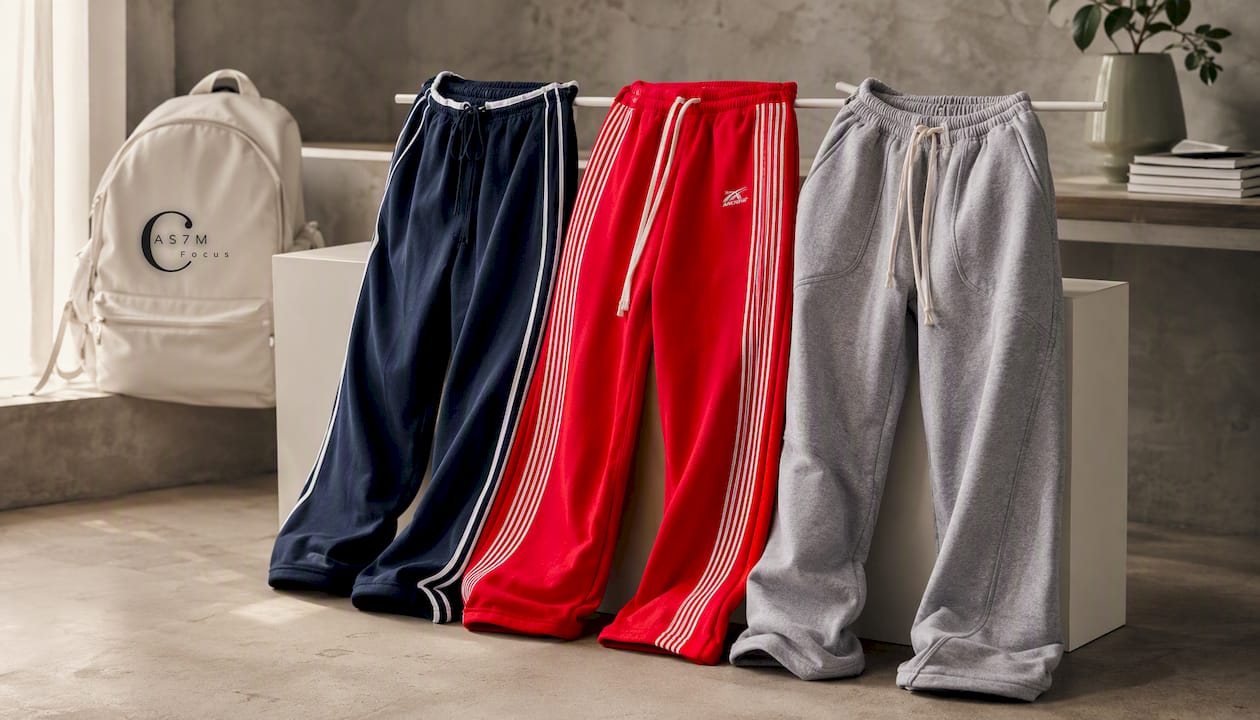
- Lounging or cold mornings: the Striped With Fleece Lining Fleece Sports Pants deliver insulated warmth without the bulk of a heavy coat layer.
- Maximum comfort, relaxed silhouette: the Sweatpants Embroidered Men’s And Women’s Wide-leg Pants Loose Casual Pants give you room to move at home or on a lazy weekend.
- Errands and travel days: the Striped Sports Pants Women Baggy Casual Classic Track Sweatpants Trousers bring a track-inspired stripe that looks intentional outside the house.
Browse the full lineup, check the fabric details on each product page, and pick the pair that matches tomorrow’s plans, not just today’s mood.
Sources
- Best joggers for men: Men’s Health
- Joggers, sweatpants, yoga pants, leggings and tights: Verywell Fit
- Jogger vs. Track Pant: A Men’s Athletic Pant Guide — EatHealthy365
FAQ
Are Joggers and Sweatpants the Same Thing?
No. Joggers typically have a tapered leg and cuffed ankle built for movement and public wear, while sweatpants run baggier and heavier, built mainly for lounging and warmth.
Do British People Call Sweatpants Joggers?
Often, yes. Regional terminology varies, and in the UK, “joggers” is frequently used as a broader term that covers what Americans specifically call sweatpants.
Are Joggers Thinner Than Sweatpants?
Usually. Joggers often use lighter cotton blends or performance synthetics, while sweatpants lean toward thicker cotton or fleece built for warmth over breathability, though fleece-lined joggers can close that gap.
Is It Okay to Wear Joggers in Public?
Yes. A tapered fit and clean cuff make joggers, especially blends with a bit of stretch, suitable for both casual errands and public settings, unlike most traditional baggy sweatpants.
Which CAS7MFOCUS Pants Work Best for Travel?
The striped track-style sweatpants and tapered jogger blends in the CAS7MFOCUS casual line suit travel best, offering a cleaner silhouette than heavy fleece while still prioritizing all day comfort.

