


Cart
0
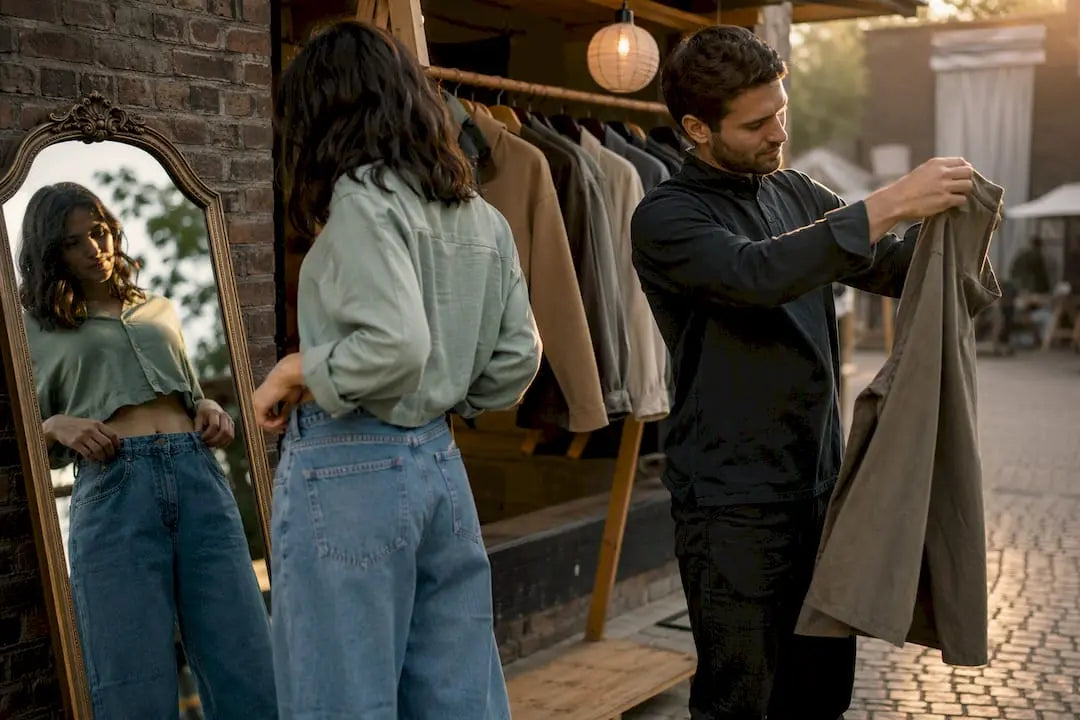
Regular fit follows your body’s natural shape with about 4 to 6 inches of added ease through the chest, waist, and seat. Relaxed fit adds 6 to 8 or more inches of room in the same spots, built for comfort and movement over polish. Pick regular when you want a put-together, tailored look. Pick relaxed when comfort, layering, or all-day casual wear matters more than a clean silhouette.
A few things stay true no matter which you choose:
- Your size label (S, M, L, or a waist number) doesn’t change between fits. Only the finished measurement does.
- Regular fit is the safer default for work, dates, or anything that calls for structure.
- Relaxed fit is the better call for travel days, workouts, weekend errands, or layering over a hoodie.
- Checking the product page’s measurement chart matters more than trusting the fit name alone.
Key Takeaways
Choosing between relaxed and regular fit comes down to matching finished-measurement ease, roughly 4 to 6 inches for regular and 6 to 8 or more for relaxed, to how you plan to move and dress that day.
| Point | Details |
|---|---|
| Ease is the deciding number | Regular fit adds about 4 to 6 inches of ease; relaxed fit adds 6 to 8 or more. |
| Size label stays constant | The same tagged size produces different finished measurements across fit types. |
| Match fit to activity | Choose regular for structured looks, relaxed for workwear, layering, and casual comfort. |
| Balance volume when styling | Pair a relaxed piece with a fitted one to avoid a sloppy, shapeless look. |
| CAS7MFOCUS shows both fits | Products like the Loose Fashion Short Sleeve Printed Shirt and Low-Rise Flare Pants demonstrate relaxed and regular silhouettes with listed measurements. |
Table of Contents
- What Do Regular Fit and Relaxed Fit Actually Mean?
- Regular vs Relaxed Fit: A Side-by-Side Breakdown
- Who Should Wear Relaxed vs Regular Fit?
- How to Style Relaxed and Regular Fit Without Looking Sloppy
- How Do You Choose Between Relaxed and Regular Fit?
- What People Get Wrong About Fit Choice
- Find Your Fit in the CAS7M Catalog
- Sources
- FAQ
What Do Regular Fit and Relaxed Fit Actually Mean?
“Ease” is the gap between your actual body measurement and the garment’s finished measurement. A shirt with 4 inches of chest ease on a 40 inch chest measures 44 inches across, flat. That gap is what separates a fit that skims your body from one that hangs off it.
Regular fit keeps that gap modest. Waist, seat, and thigh room stay close to your natural shape, so the garment moves with you without ballooning. Relaxed fit widens the gap everywhere at once, particularly through the seat and thigh on pants, and across the chest and body on tops.
Here’s roughly how the numbers break down for a 40 inch chest, based on standard fit charts:
- Slim fit: finished chest around 42 to 43 inches.
- Regular fit: finished chest around 44 to 46 inches.
- Relaxed fit: finished chest slightly larger than regular fit, around 46 to 48 inches.
Pro Tip: Ease ranges of about 6 to 8 inches or more count as relaxed; about 4 to 6 inches is the regular fit zone. Anything under 4 inches is heading toward slim.
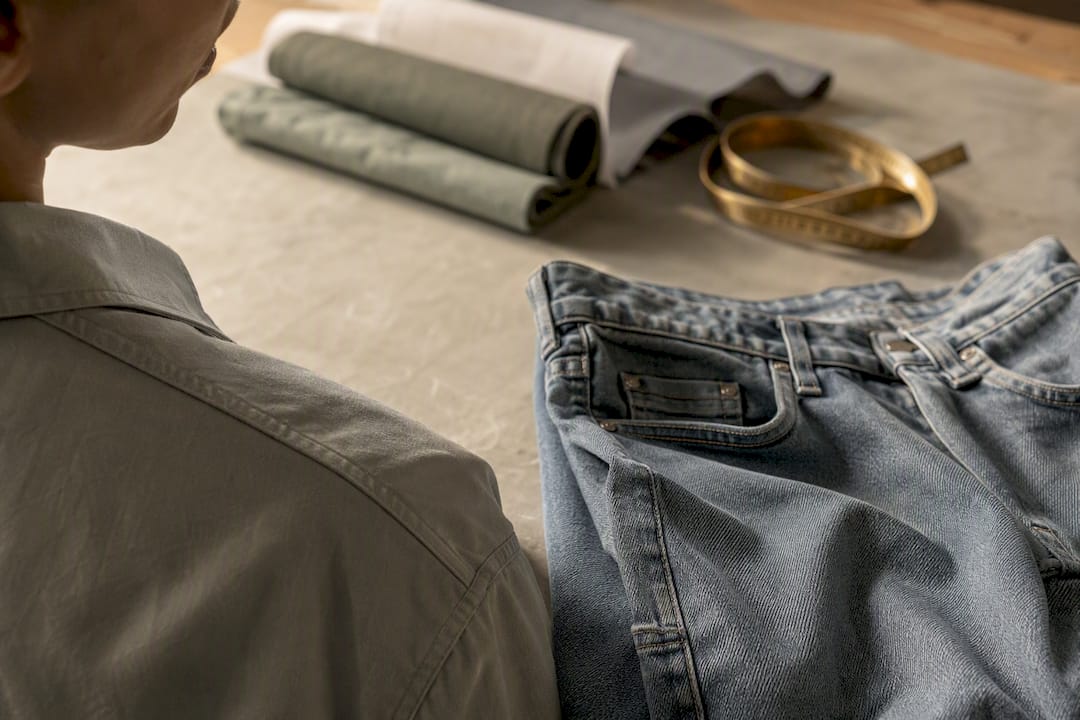
Construction tells you the rest of the story. A regular fit shoulder seam sits right at your natural shoulder point, with a slight taper at the waist. A relaxed fit shoulder seam often drops slightly, the taper disappears, and the leg or body shape runs straighter from top to bottom. On jeans, rise is the giveaway: regular fit sits at or near the natural waist with a fitted seat, while relaxed fit often sits lower or looser through the hip and thigh, trading shape for room.
Regular vs Relaxed Fit: A Side-by-Side Breakdown
Fit differences show up in four places that actually matter when you’re deciding what to buy: how much room you get, how the garment reads visually, how it moves, and where you can wear it.
Ease and silhouette. Regular fit keeps a visible waist and shoulder line, so a shirt or jean still reads as shaped rather than boxy. Relaxed fit trades that shape for volume. A relaxed shirt skims past the body instead of following it, and relaxed jeans add extra room through the hips, seat, and thighs rather than tracking your leg shape.
Mobility and layering. Extra ease is functional, not just aesthetic. A relaxed hoodie or jacket layers over a t-shirt without pulling at the shoulders. A relaxed pant lets you crouch, stretch, or sit cross-legged without strain at the seat. Regular fit handles normal daily movement fine but resists layering over bulk.
Climate suitability. Relaxed fit breathes better in heat because fabric isn’t clinging to skin. In cold weather, that same extra room is what makes space for a base layer underneath.
Garment-specific notes worth remembering:
- Jeans: the real difference lives in the thigh, seat, and rise. Regular fit denim tracks your leg; relaxed fit denim gives extra room at the thigh and often sits with a straighter, less tapered leg down to the ankle.
- Shirts: watch the shoulder seam placement and the torso length. A relaxed shirt runs longer and boxier through the body; a regular shirt narrows slightly at the waist and stops at a more standard hem length.
- Outerwear: relaxed cuts here aren’t a compromise, they’re the point, since jackets need room for what’s underneath.
Who Should Wear Relaxed vs Regular Fit?
Body build and activity both drive this decision more than personal taste alone.
- Lean or athletic builds usually look best in regular fit. It gives shape where a relaxed cut would just hang without purpose.
- Stocky or larger frames often read cleaner in relaxed fit through the midsection, since it avoids pulling or clinging at the waist and seat.
- Average builds can go either way and should let the occasion decide instead of the mirror.
- Workwear and streetwear lean relaxed almost by default. Relaxed fit shows up constantly in workwear and streetwear contexts where mobility beats polish.
- Layered cold-weather looks need relaxed cuts to leave room for thermal layers or a sweater underneath.
- Hot-weather comfort favors relaxed too, since airflow matters more than a tailored line when it’s 90 degrees out.
If you’re between sizes in a relaxed fit, size down before you size up. Relaxed cuts already carry extra ease, and adding a bigger size on top of that can swallow your frame instead of flattering it.
How to Style Relaxed and Regular Fit Without Looking Sloppy
The single rule that saves every relaxed outfit: balance volume. If your top is relaxed, keep your bottom fitted or regular. If your pants are relaxed or wide, pair them with something closer to the body up top. Two loose pieces at once reads as unfinished rather than intentional.
- Tuck a relaxed shirt into regular fit pants to reset the proportions instantly.
- Cuff or roll relaxed sleeves and pant hems to show intention rather than excess fabric.
- Layer a fitted base layer under a relaxed jacket or hoodie to keep the silhouette from disappearing.
- Ground relaxed pieces with structured footwear. A clean sneaker or boot anchors a loose silhouette better than something equally soft.
Pro Tip: Pairing a relaxed top with slimmer bottoms, or the reverse, is the single most reliable proportion fix in casual dressing. It works almost every time.
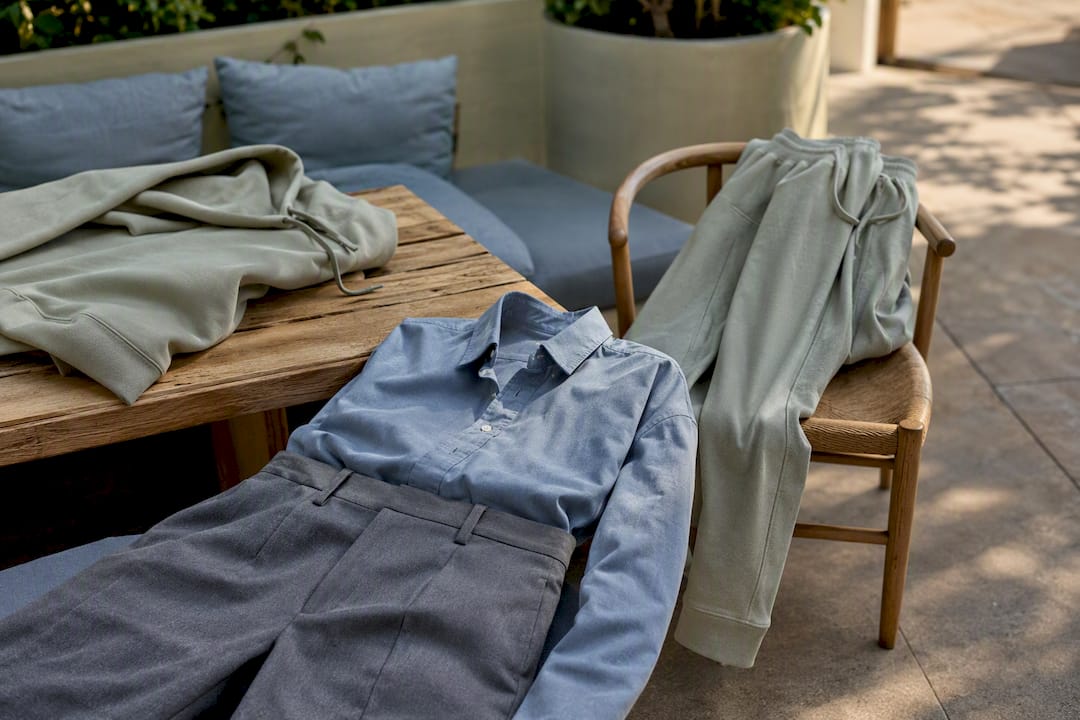
For casual days, a relaxed hoodie over regular joggers hits the balance point. For smart-casual, a relaxed button-up tucked into regular trousers reads polished without feeling stiff. For work-appropriate looks, keep relaxed pieces to outerwear only. A relaxed jacket over a regular fit shirt and pants still looks composed, while relaxed on relaxed rarely does in a professional setting.
How Do You Choose Between Relaxed and Regular Fit?
Buying the right fit comes down to a short checklist, whether you’re in a fitting room or scrolling product photos.
- Measure yourself first. Get your actual chest, waist, and hip measurements before comparing anything to a size chart.
- Compare to finished measurements, not body size. A brand’s “medium” regular fit and “medium” relaxed fit are two different finished garments even though the tag says the same thing.
- Target the right ease range. Look for 4 to 6 inches of added room for regular, 6 to 8 inches or more for relaxed, and treat anything vague as a red flag.
- Run the movement test. Raise your arms overhead in a top, or squat in pants. Regular fit should move without restriction; relaxed fit should move with room to spare.
- Try the layer test. If you plan to layer, put on what you’d wear underneath before judging the fit. A regular fit jacket that feels fine bare-armed can feel tight over a sweater.
- Check the shoulder seam and back length. A dropped shoulder or extra-long back hem signals relaxed construction even if the listing doesn’t say so directly.
- Watch for missing measurement charts. A product page with no finished measurements and only vague language like “loose, comfortable fit” is asking you to guess. Skip it if a chart isn’t provided.
CAS7M Product Examples for Both Fits
CAS7M’s catalog shows both fits in action, which makes the ease difference easier to see than any chart alone.
- The Low-Rise Flare Pants show a more fitted, regular-leaning shape through the hip before flaring at the leg.
- The Fashion Button Stand-collar Jacket With Big Pockets is a relaxed outerwear piece, cut loose on purpose for layering.
- The Color-blocked Hoodie And Wide-leg Pants Two-piece Set pairs relaxed volume top and bottom, styled to stay intentional rather than sloppy.
Finished measurements on each CAS7M product page tell you more than the fit name ever will. That chart is where the real decision gets made.
Footwear matters in the fit equation too, whether it’s the Spring Fashion All-matching Women’s Casual Shoes for everyday grounding, the Candy-colored Thick-soled Increase Fashion Sneakers for a bolder anchor, or the Diving Creek Shoes Swimming Wading Shoes for outdoor and water-ready activity.
What People Get Wrong About Fit Choice
Most fit advice treats relaxed and regular as a style preference, like choosing a color. That’s backwards. The real decision starts with a number, the ease in inches, and only then moves to taste. Shoppers who skip the measurement step end up blaming the fit category when the actual problem was picking the wrong size within it.
The bigger miss is treating relaxed fit as synonymous with oversized. It isn’t. Relaxed fit adds a deliberate, moderate amount of room, generally 6 to 8 inches of ease, for movement and layering. Oversized is a different, more extreme choice entirely. Conflating the two leads people to either avoid relaxed fit out of fear it will swallow them, or buy genuinely oversized pieces expecting relaxed-fit proportions.
What should come first is the try-on movement test, not the mirror check. A fit that looks fine standing still but restricts your arms overhead or your stride will bother you within a week of real wear. Measurements and movement beat instinct every time.
Find Your Fit in the CAS7M Catalog
Once you know whether you’re after structure or room to move, the fastest way to act on it is to shop by fit rather than by guesswork. CAS7MFOCUS lists finished measurements on every product page, so you’re comparing real inches instead of trusting a fit label alone.
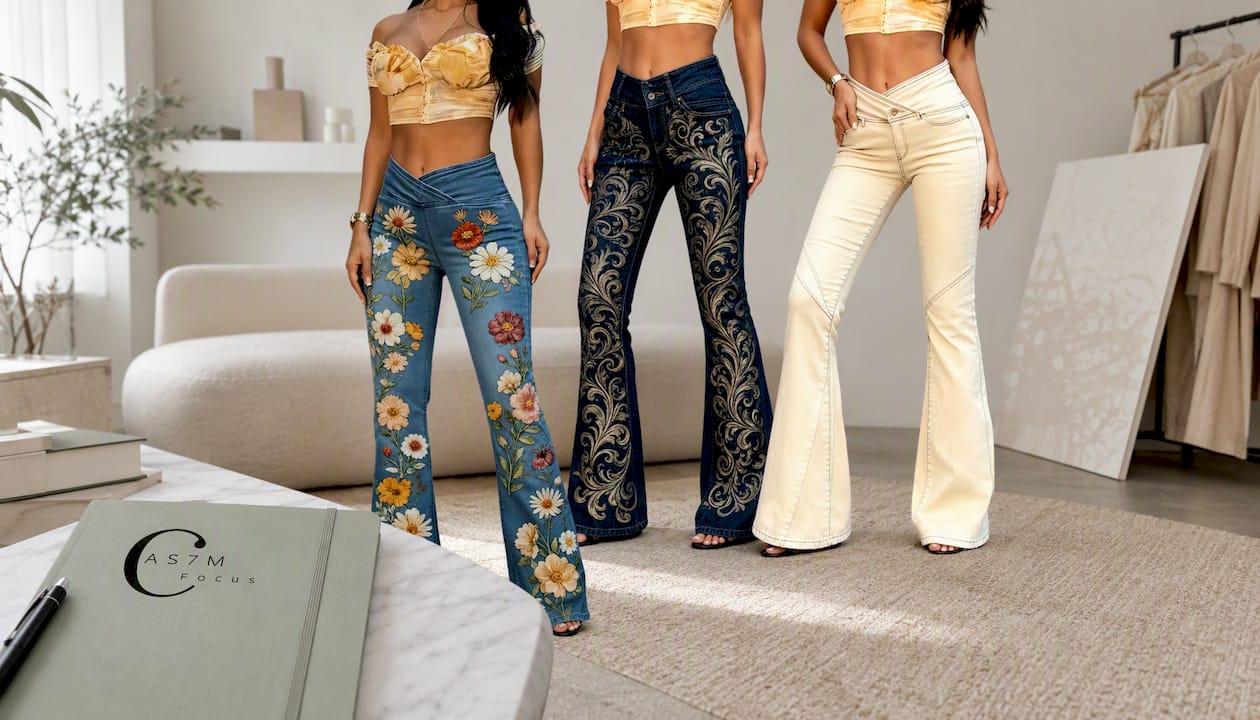
For a relaxed everyday look, the Loose Fashion Short Sleeve Printed Shirt gives you the extra chest and body room that makes hot days and casual layering easier. Pair it with something closer to the body on the bottom to keep the proportions balanced. For a more tailored, regular fit look, the Low-Rise Flare Pants hold their shape through the hip while still moving comfortably.
Not sure which fit suits your build? Start by browsing CAS7MFOCUS’s full collection and checking the measurement chart on any piece you’re considering before you buy.
Sources
- Slim Fit vs Regular Fit vs Relaxed Fit: What Each One Means
- Relaxed Fit vs Regular Fit Jeans: Finding the Perfect Fit for You
- Relaxed Fit Vs Regular Fit: The Ultimate Style Guide - ProWearTrends
FAQ
Which Is Better, Relaxed Fit or Regular Fit?
Neither is objectively better. Regular fit works best for polished, structured looks, while relaxed fit prioritizes comfort and movement for casual wear and layering.
Is Relaxed Fit Larger Than Regular Fit?
Yes, in finished measurement. Relaxed fit typically adds 6 to 8 or more inches of ease compared to 4 to 6 inches for regular fit, even at the same labeled size.
Does Relaxed Fit Mean Oversized?
No. Relaxed fit adds a moderate, deliberate amount of extra room for comfort and mobility, while oversized goes well beyond that for a more exaggerated, loose look.
Who Should Wear Relaxed Fit Jeans?
Anyone prioritizing comfort, movement, or layering benefits from relaxed fit jeans, since they add extra room through the hips, seat, and thighs. Stockier or larger builds often find relaxed jeans sit cleaner through the midsection than a regular cut.
How Do I Know If a Garment Is Regular or Relaxed Without a Size Chart?
Check the shoulder seam placement, torso or leg length, and taper. A dropped shoulder, straighter leg, and longer body length point to relaxed; a fitted shoulder and slight waist taper point to regular.

