


Carrito
0
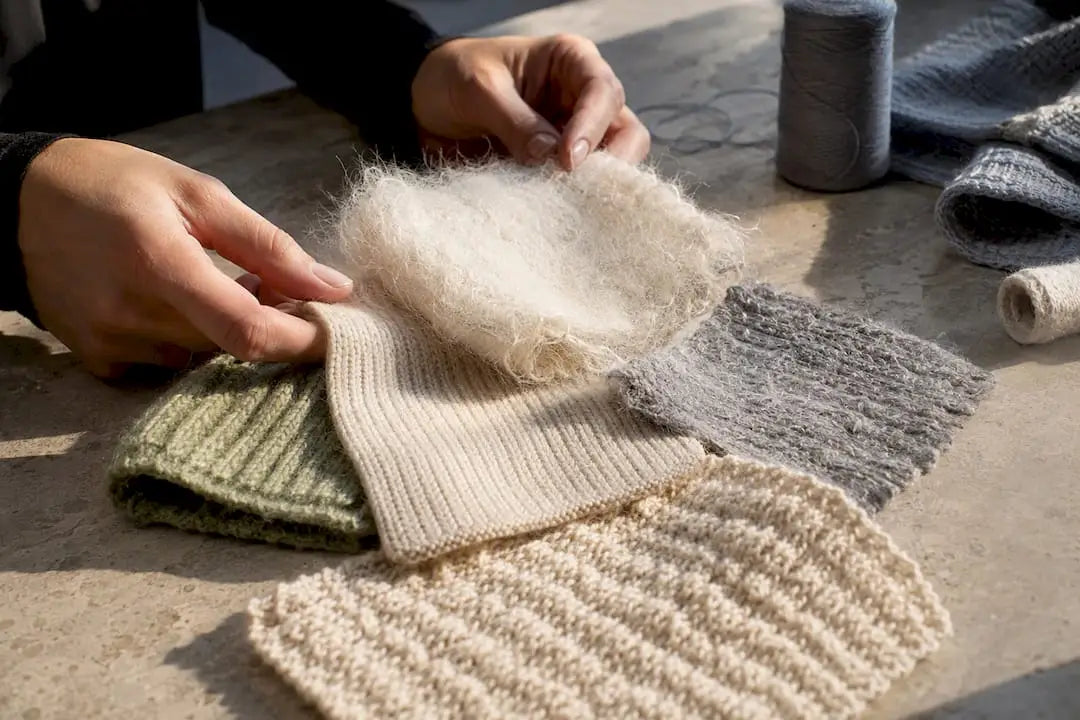
Merino wool and cashmere win on softness and warmth, cotton wins on easy care and breathability, and acrylic or acrylic blends win on price and quick drying. Wool wins the warmth-per-ounce contest outright, but if pilling, hand-washing, or wool sensitivity are dealbreakers, a cotton or cotton blend sweater solves that in one move. The rest comes down to matching fiber to gauge, care tolerance, and how much you want to spend. Read on for the specifics behind each pick.
TL;DR:
- Wool and cashmere offer superior warmth and softness but require careful hand-washing and are prone to pilling, especially lower-grade fibers.
- Cotton sweaters are more durable, breathable, and machine-washable, making them ideal for transitional weather but less suitable for extreme cold.
- Acrylic and synthetic blends provide low-cost, quick-drying options suitable for travel and casual wear, though they shed microplastics and are less eco-friendly.
- Knit gauge and stitch pattern significantly impact sweater weight, drape, warmth, and seasonality, with chunky knits suited for winter and fine gauges for layering.
- Certifications like Responsible Wool Standard and Good Cashmere Standard ensure better animal welfare and sustainability, but always verify labels directly on the product.
Table of Contents
- Sweater Materials Guide: Fiber by Fiber
- How Knit Construction and Gauge Change the Way a Sweater Wears
- Care, Pilling, and How Long Different Fabrics Actually Last
- How to Choose the Right Sweater Material for You
- Sustainability Standards Worth Checking Before You Buy
- What We Prioritize When Sourcing Sweaters
- Sweaters From CAS7MFOCUS That Match This Guide
- Sources
- FAQ
Sweater Materials Guide: Fiber by Fiber
Every sweater fabric solves a different problem, and knowing what each one is actually built for saves you from returning a “warm” sweater that felt like a windbreaker. Here’s the breakdown that matters most when you’re comparing wool vs cotton sweater options or trying to figure out where acrylic fits in.
Wool (regular, merino, lambswool). Standard wool traps heat because its crimped fibers create tiny air pockets, and it can absorb a fair amount of moisture without feeling wet against your skin, according to Gear Patrol’s comparison of cotton and wool. Merino is the finer, softer version of sheep’s wool and tends to feel far less itchy than standard wool because its fiber diameter is smaller. Lambswool sits in the middle: softer than coarse wool, less expensive than merino, with decent elasticity that helps a sweater hold its shape wash after wash. The tradeoff across the whole wool family is care. Most need hand-washing or a wool cycle, and shrinkage risk is real if you get lazy with the dryer.
Cashmere. This is where micron count starts to matter. Lower micron numbers mean finer, softer fiber, and that’s the main driver of both cashmere’s price and its feel. Higher-grade cashmere with tighter ply construction resists pilling better and lasts longer, while bargain cashmere (often a lower ply, looser knit) can start shedding fuzz within a few wears. If you’re paying premium prices, check the ply and knit density before you check the price tag.
Alpaca and mohair. Alpaca fiber is hollow, which gives it a warmth-to-weight ratio that beats most wool without the added bulk. It also tends to have less of the itch factor than lower-grade wool. Mohair, from Angora goats, brings loft and a distinctive halo texture. It’s warm without being heavy, though the fuzzy surface can shed fibers onto whatever you’re wearing underneath.
Cotton. Breathable, machine-washable in most cases, and far more forgiving in daily care than any animal fiber. Cotton sweaters make sense for transitional weather and for anyone who’s tired of hand-washing knitwear, but cotton doesn’t insulate the way wool does, so it’s a weaker pick for genuine cold.
Synthetics (acrylic, polyester, nylon). Acrylic is cheap, shrink-resistant, and dries fast, which is exactly why it shows up in budget sweaters and travel-friendly knits. The downside: acrylic isn’t biodegradable and sheds microplastics during washing, according to FabricIQ’s acrylic-versus-wool breakdown. Polyester and nylon usually appear as reinforcing fibers in blends rather than standalone sweater materials.
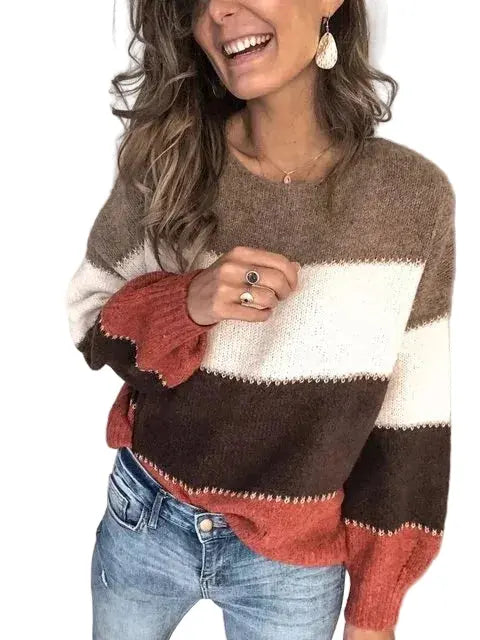
Blends. Blends exist for a reason: they tune warmth, shape retention, and washability in ways single fibers can’t. A cotton-cashmere blend gives you softness with a washability that pure cashmere doesn’t allow, while a wool-acrylic blend cuts cost and lets you toss the sweater in a gentler machine cycle instead of hand-washing it, according to a material guide for fashion brands. Blends to favor: merino-cashmere, cotton-modal, wool-nylon (for durability). Blends to watch for: heavy acrylic content marketed as “wool blend” when wool is a minority fiber.
When you’re shopping, four signals tell you almost everything:
- Fiber percentage on the label, not just the fiber named in the title.
- Ply count, where higher ply generally (not always) means a denser, more durable yarn.
- Close-up photos that show the actual knit texture, not just a flat lay.
- Care tag wording, since “hand wash cold” and “dry clean only” imply very different fiber content.
Certifications like the Responsible Wool Standard are becoming the more reliable signal here, since a vague “responsibly sourced” claim on a hangtag tells you almost nothing verifiable.
How Knit Construction and Gauge Change the Way a Sweater Wears
Fiber gets most of the attention, but the knit itself decides how a sweater actually behaves on your body. Sweater knits are built by machines forming interlocking loops, and the yarn type paired with the stitch pattern determines drape, stretch, weight, and texture, according to Seamwork’s guide to sweater knit fabrics.
Gauge (sometimes labeled GG, for “gauge groups”) describes how many stitches pack into a given width. Chunky knits run on the low end of the gauge scale, with fewer, thicker stitches per inch, while fine-gauge knits pack many thin stitches into the same space. Chunky gauge means more visible texture and heavier warmth. Fine gauge means a sleeker silhouette you can layer under a jacket.
Stitch pattern matters just as much:
- Jersey knit is the simplest structure, smooth and stretchy, and it’s what most lightweight cotton and merino tees-turned-sweaters use.
- Rib knit creates vertical ridges with strong horizontal stretch, which is why it shows up at cuffs, hems, and fitted sweaters that need to hug the body.
- Cable knit twists yarn into raised braids, adding density and visual weight, which usually means a heavier, warmer garment.
- Fisherman’s rib combines extra loft with stretch, giving a thicker hand-feel than standard rib without the bulk of a full cable pattern.
Put fiber and gauge together and the pairing tells you the season. A fine-gauge merino sweater works as a lightweight layer under a blazer. A chunky cable-knit wool sweater is built for standing outside in January, not sitting at a desk. When you’re shopping online, look for a stated gauge or fabric weight in the product description, and zoom into any close-up photo. If a listing shows only a distant mannequin shot, that’s usually a sign the retailer isn’t confident about the texture up close.
Care, Pilling, and How Long Different Fabrics Actually Last
Care requirements vary more by fiber than most shoppers expect, and getting it wrong is the fastest way to shrink a sweater you liked.
- Wool and cashmere: hand-wash in cold water or use a wool cycle, then dry flat. Skip the dryer entirely; heat is what causes the shrinkage everyone dreads.
- Cotton: machine-washable in most cases, though a cold cycle and flat drying still extend its life and prevent stretching out of shape.
- Acrylic and synthetic blends: the most machine-friendly option, resistant to shrinkage, and quick to dry.
- Wool blended with nylon or acrylic: often machine-washable thanks to the synthetic content, which is worth checking if you want wool’s warmth without the hand-wash routine.
Pilling happens when short, weaker fibers work loose from friction and tangle into little balls, and lower-grade wool and cashmere are more prone to it than merino or high-ply cashmere, according to Fashionista’s knitwear buying guide. A fabric shaver or pilling comb handles the cleanup, but prevention matters more: rotate sweaters instead of wearing the same one daily, and wash them inside out.
Animal fibers also attract moths, which feed specifically on wool, cashmere, and other protein fibers. Store them clean (moths are drawn to body oils and food residue, not just the fiber itself), in breathable garment bags, with cedar blocks or lavender sachets as a deterrent.
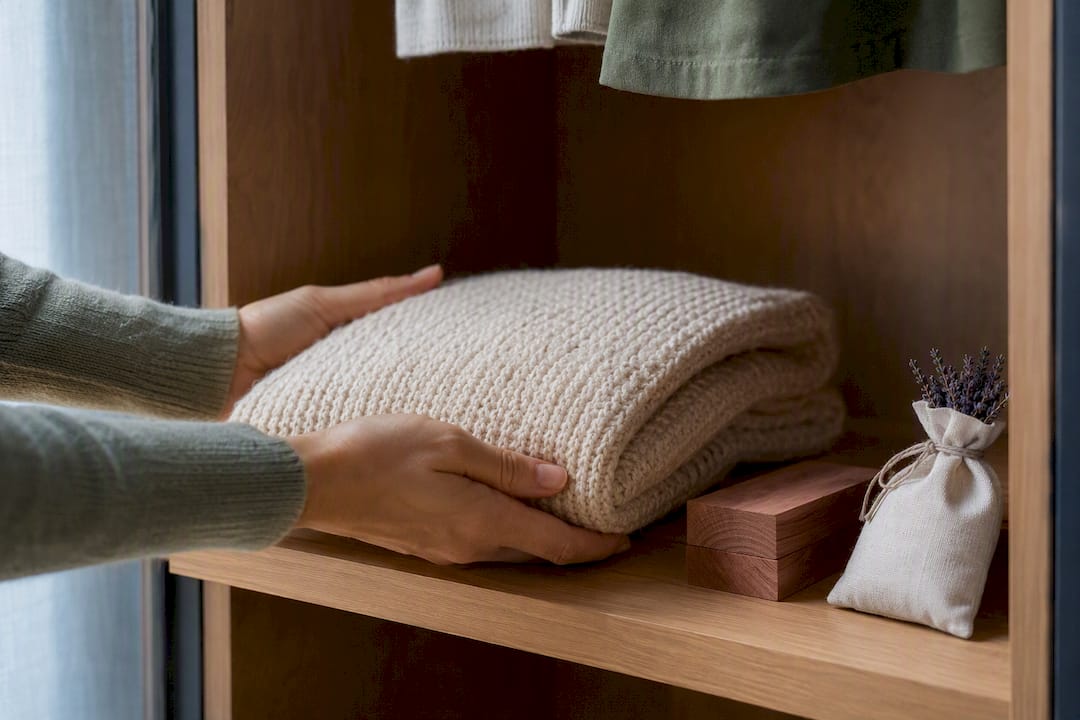
Pro Tip: Pre-wash test a hidden seam or swatch before the first full wash on any new wool or cashmere sweater. Seamwork’s construction guide notes that pre-washing and stabilizing shoulder seams before regular wear prevents the stretching and shrinkage surprises that show up after the first real laundry cycle, according to their sweater knit fabric guide.
How to Choose the Right Sweater Material for You
Run through this checklist before you add a sweater to your cart:
- Season and layering plan. Fine-gauge merino or cotton for layering under jackets; chunky wool or cashmere-wool blends for standalone winter warmth.
- Care tolerance. If hand-washing is a dealbreaker, prioritize cotton or a wool-synthetic blend over pure cashmere or lambswool.
- Sensitivity and itch factor. Wool allergy or sensitive skin points you toward merino (finer fiber, less irritation), cotton, or acrylic, all of which sidestep the itch that coarser wool causes.
- Budget. Acrylic and cotton blends cost less upfront; merino and cashmere cost more but usually last longer with proper care, per Gear Patrol’s take on cotton as an investment.
Here’s how that plays out in real situations:
| Use case | Best-fit material | Why it works |
|---|---|---|
| Daily commuting | Merino or merino blend | Fine gauge layers well, resists odor, moderate care |
| Travel | Acrylic or wool-acrylic blend | Machine-washable, dries fast, resists wrinkling |
| Lounging at home | Cotton or cashmere-cotton blend | Breathable, soft, low itch factor |
| Office or formal | Fine-gauge merino or lambswool | Clean drape, warmth without bulk |
| Activewear layering | Merino or synthetic blend | Moisture management, stretch recovery |
Before checkout, confirm three things on the product page: the fiber percentage breakdown, the stated ply or gauge, and whether the pictured drape matches the weight you’re expecting. A “lightweight sweater” photographed on a hanger with visible structure is probably heavier than the description suggests.
Sustainability Standards Worth Checking Before You Buy
Certifications are the closest thing to a verifiable claim in a market full of vague “eco-friendly” labels. Three matter most for sweater shopping:
- Responsible Wool Standard (RWS): sets animal welfare and land management criteria for wool supply chains, giving shoppers a checkable baseline instead of a marketing phrase, according to Textile Exchange.
- Responsible Mohair Standard (RMS): applies similar welfare and land-management requirements specifically to mohair production, per Textile Exchange’s mohair standard.
- Good Cashmere Standard (GCS): focuses on traceability and animal welfare in cashmere production, addressing a supply chain that’s historically been hard to verify, according to The Good Cashmere Standard.
Recycled-content standards like GRS (Global Recycled Standard) verify the percentage of recycled fiber in a garment, which is a different question from animal welfare and matters most for synthetic or blended sweaters. OEKO-TEX, by contrast, checks for harmful substances in the finished textile rather than sourcing practices.
The practical move: look for the certification name and logo directly on the product page or hangtag, not just adjective-heavy copy like “sustainably sourced” with no standard attached. If a brand can’t name which certification backs its claim, treat the claim as marketing.
What We Prioritize When Sourcing Sweaters
Comfort, durability, and value drive every knitwear decision made. That means favoring fiber blends that hold their shape after repeated wear and picking knit constructions that look good in photos and feel good in hand. The preference is for wool-blend sweaters that survive repeated washing over pure luxury fibers that pill quickly. For care specifics on any piece, check the product listing before you buy.
— CAS7M
Sweaters From CAS7MFOCUS That Match This Guide
Once you know what you’re looking for in a fiber and a knit, matching it to an actual sweater gets a lot easier. Here are three from our own lineup that line up with the use cases covered above.
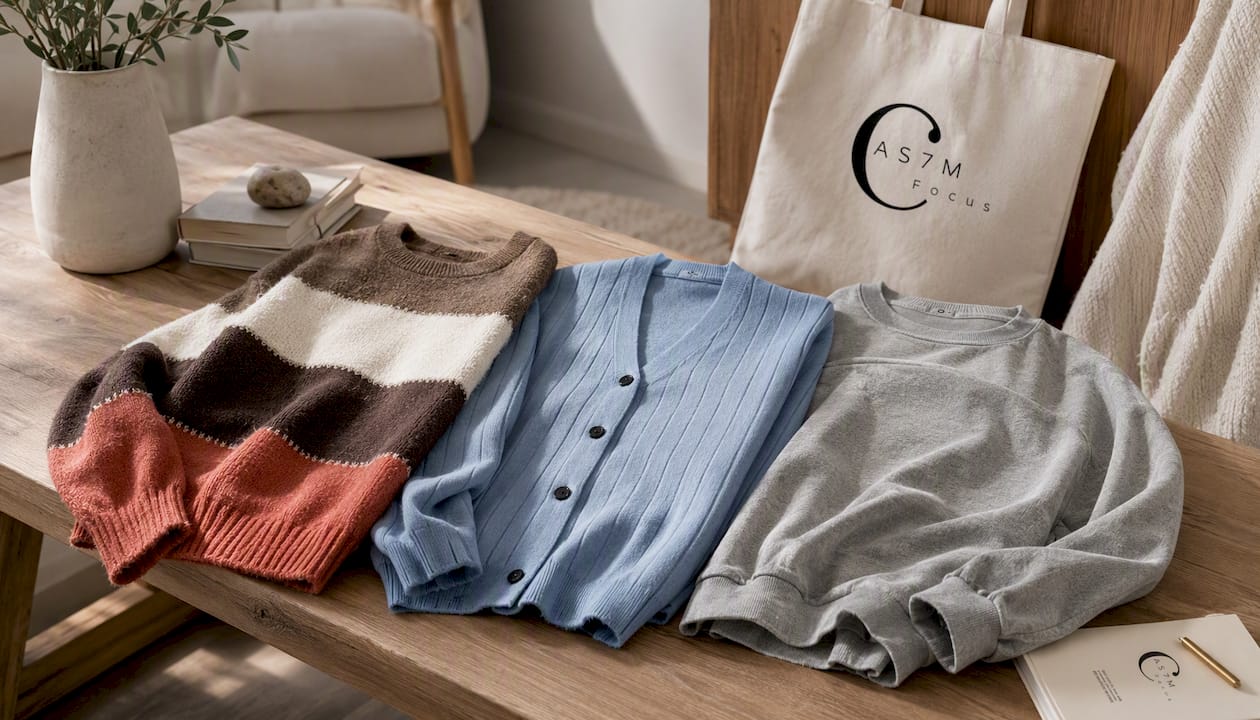
The Women Sweater Pullover Round Neck Stripe Long Sleeve Sweater Coat fits the everyday commuting case: a versatile knit built for layering through fall without the upkeep of a delicate luxury fiber. For a straightforward, low-maintenance option, the men’s knitted long sleeved sweater covers the daily-wear checklist: easy care, reliable warmth, and a fit that works under a jacket or on its own. And if you want something that moves easily between lounging and running errands, the casual loose shoulder sweater gives you that relaxed drape without sacrificing structure.
This online store provides a clear alternative to sorting through unlabeled fiber content on secondhand marketplaces or guessing at gauge from a single product photo. The listings include details covered in this guide, helping customers compare sweater types more confidently. Browse the current knitwear lineup and pick the one that matches the season, care routine, and budget you landed on above.
Sources
- Responsible Wool Standard | Textile Exchange
- The Good Cashmere Standard
- A Guide to Sweater Knit Fabrics: How to Sew Cozy Winter Garments | Seamwork
- Knitwear Fabric Content 101: How to Find Sweaters That Won’t Fall Apart | Fashionista
FAQ
Is 100% wool better than 100% cotton?
Neither is universally “better.” Wool wins on warmth because its crimped fibers trap air and manage moisture without feeling wet, while cotton wins on breathability and easy machine care, so the right choice depends on climate and how much upkeep you want to do.
How many yards of fabric do I need to make a sweater?
Yardage depends heavily on size, gauge, and pattern, so there’s no single fixed number. Check the specific pattern’s yardage requirement rather than estimating, since a chunky-gauge sweater and a fine-gauge sweater in the same size can need very different amounts of yarn.
What are the main fabric types used in sweaters?
The main categories are wool (including merino and lambswool), cashmere, alpaca, mohair, cotton, and synthetics like acrylic, polyester, and nylon, plus countless blends of these fibers. Each brings a different balance of warmth, softness, care demands, and price.
How do I tell what material my sweater is?
Check the care tag first, since it legally lists fiber content by percentage. If the tag has worn off, texture offers clues: wool and cashmere feel warm and slightly fuzzy, cotton feels cool and matte, and acrylic often has a slight sheen and less give when stretched.

