


Chariot
0
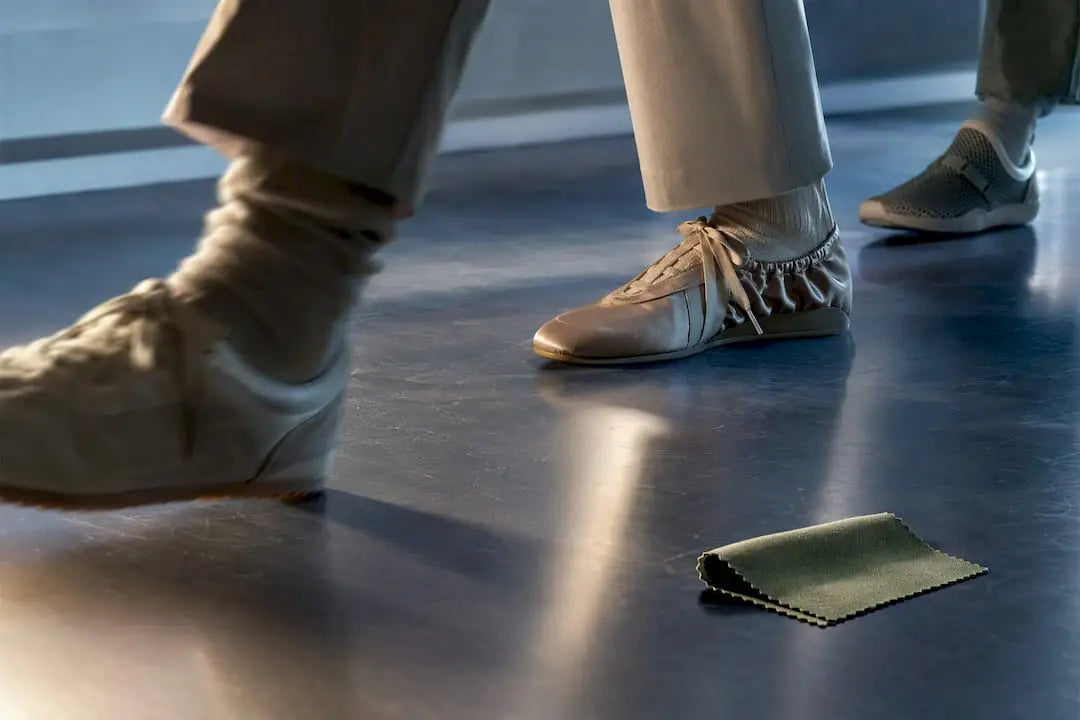
2026 is the year sleek beats bulky. Low-profile retro runners are pushing chunky trainers off the shelf, while satin, suede, and jewel-tone colorways carry the personality. Expect a season built around four to six repeat players: slim runners, sneakerina-inspired satin flats, embellished or metallic finishes, and a palette of burgundy, emerald, chocolate brown, and yellow. Pick materials with intention. A satin pair earns its place in a closet differently than a suede one, and care requirements should factor into what you buy, not just what looks good in a feed.
TL;DR:
- Slim, low-profile retro runners have become the dominant sneaker silhouette in 2026, replacing the chunky, stacked trainers of previous years.
- Satin and metallic finishes are more restrained this year, with satin sneakers now available in derby and slip-on styles suitable for both casual and dressier outfits.
- Textural combinations like suede, mesh, and netting are trending, with footwear balancing warmth and breathability to serve different climates and occasions.
- Consumers should prioritize wearability by selecting statement shoes that fill genuine wardrobe gaps, and pay attention to material care needs, especially for delicate fabrics like satin and suede.
- Sustainability influences designs with recycled fibers and environmentally friendly sole construction, reinforcing the slim silhouette trend, while AR try-ons and digital previews shape buying decisions.
Table of Contents
- What Are the Biggest Sneaker Styles Trending in 2026?
- How Do You Style These Sneaker Trends?
- How Do You Care for Satin and Suede Sneakers?
- How Is Sustainability Shaping Sneaker Design in 2026?
- What Tech Innovations Are Changing Sneaker Materials?
- Which Designers Are Sneaker Brands Partnering With?
- How Do Digital Sneakers and AR Affect 2026 Trends?
- Do Sneaker Preferences Vary by Region or Age Group?
- CAS7M’s Take: Buy for Wearability First, Trend Second
- A Trend-Forward Pick for Everyday Wear
- Sources
- FAQ
What Are the Biggest Sneaker Styles Trending in 2026?
Trend forecasting for the year splits cleanly into six repeatable categories. Each one solves a different styling problem, so knowing the difference between them matters more than memorizing a single “it” shoe.
Low-profile retro runners. The chunky, dad-shoe silhouette that dominated the last several years is losing ground fast. As of the third quarter of 2026, slim, low-profile retro runners have become the dominant sneaker silhouette in seasonal fashion coverage, replacing the thick, stacked soles that defined 2019 through 2023. The look reads closer to a 1980s track shoe: narrow toe box, thin midsole, minimal branding. Style it under wide-leg trousers or cropped denim, where a slimmer sole keeps the proportions balanced instead of competing with the hem.
Satin and the sneakerina evolution. Satin sneakers started as a niche, almost ballet-adjacent trend, nicknamed the “sneakerina” for its flat, slipper-like softness. That silhouette has now moved into mainstream derby-like and low-top shapes, with satin and mesh standing out as the season’s defining materials. A satin derby sneaker works where a ballet flat used to, but with more comfort for actual walking. Wear it with a slip dress or tailored trousers, never with heavy denim, which overwhelms the fabric’s sheen.
Suede, mesh, and netting. Texture is doing the work color used to do. Suede uppers add warmth and depth to a plain silhouette, while mesh and netting introduce a sporty, breathable contrast. The combination shows up repeatedly across fall 2026 trend roundups, often paired on the same shoe, suede at the heel and mesh across the vamp. Balance a heavily textured pair with flat, simple clothing so the shoe stays the focal point.
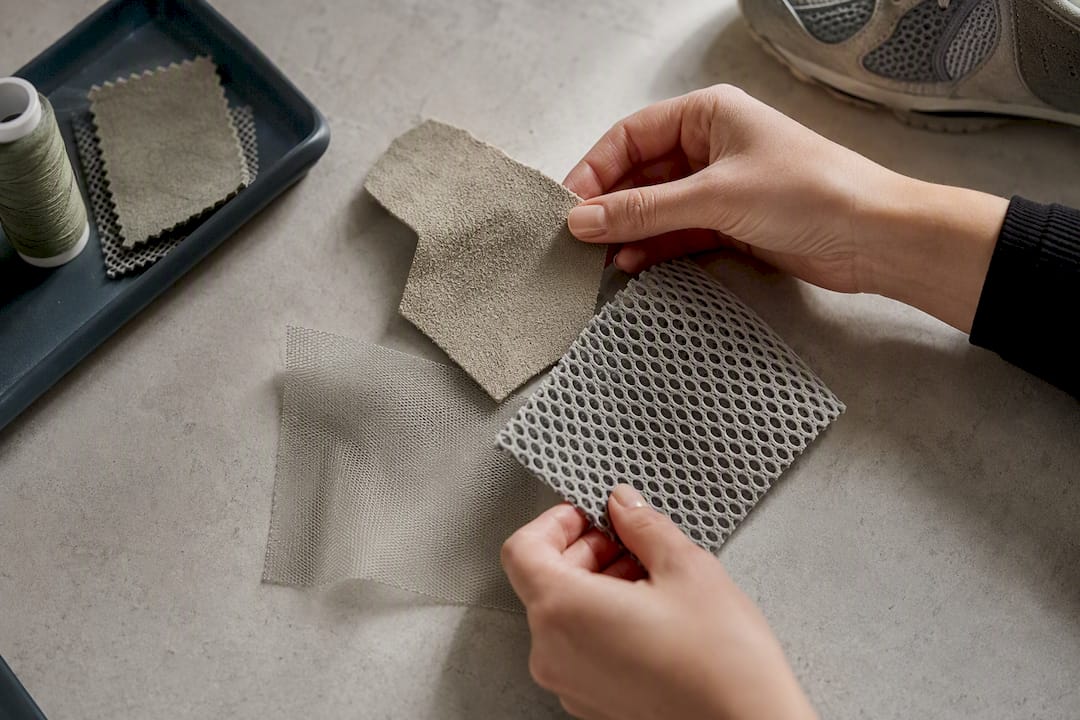
Embellished and metallic finishes. Beads, sequins, and metallic overlays are back, but 2026’s version is more restrained than past maximalist eras. Runway and street-style coverage shows a clear split between minimalist, sleek sneakers and personality-driven embellished pairs, meaning shoppers are picking a lane rather than blending the two. Ground an embellished sneaker with solid-color basics; let the shoe be the only loud thing in the outfit.
Jewel tones, chocolate brown, and yellow. Color moved away from neutral beige and stark white toward richer, moodier hues this year. Burgundy and emerald lead the 2026 color palette shift, with chocolate brown offering a warmer neutral alternative and bright yellow serving as the season’s high-impact accent color for anyone wanting a single statement piece.
Retro performance runners and the white sneaker. Classic white sneakers and plimsolls haven’t gone anywhere. They remain the wardrobe anchor underneath every trend above, and retro performance runners, think vintage running shoe shapes rather than basketball silhouettes, continue to dominate reissue calendars and drop culture throughout the year.
A quick stat check: Editorial consensus across fall 2026 features points to one consistent theme: slimmer soles are replacing chunky ones almost everywhere, from budget retailers to designer runways. If you buy one new pair this year, make it a low-profile runner.
- Low-profile retro runners
- Satin sneakerina and derby shapes
- Suede, mesh, and netting textures
- Embellished and metallic finishes
- Jewel-tone, chocolate brown, and yellow colorways
- Retro performance runners and white plimsolls
How Do You Style These Sneaker Trends?
Matching a trend to an outfit is easier once you separate silhouettes by function. Here’s a practical breakdown for translating trend names into actual wardrobe choices.
- For work or tailored looks, choose a satin derby or a low-profile runner in a neutral or jewel tone. Both pair cleanly with trousers and blazers without reading too casual.
- For everyday and weekend wear, a suede or mesh sneaker in chocolate brown or a muted jewel tone holds up to daily use while still looking current.
- For dressy or statement occasions, save embellished or metallic pairs. They read as intentional accessories rather than practical footwear.
- Check fit basics before style: toe shape should match your foot’s natural width, sole height should support your arch, not just your outfit, and thinner soles mean less cushioning, so test walking comfort in-store or read return policies carefully.
Budget one trend-forward pair, a satin or embellished style, and keep the rest of your rotation in durable staples like a retro runner or classic white sneaker. That split lets you experiment without replacing your entire shoe collection each season.
Pro Tip: Buy your statement pair a half-size true to fit rather than sized up. Satin and embellished uppers don’t stretch the way canvas does, so a loose fit now only gets looser with wear.
How Do You Care for Satin and Suede Sneakers?
Delicate materials need a different maintenance routine than the canvas or leather sneakers most people already own. Satin and embellished pairs in particular reward a little extra caution, since they’re generally less durable under daily wear and moisture exposure than sturdier fabrics.
- Spot-clean satin with a damp cloth and mild soap; avoid soaking, which can warp the fabric’s sheen.
- Apply a suede protective spray before the first wear, then reapply every few months if you wear the pair often.
- Store both materials with shoe trees or stuffed with tissue paper to hold shape, away from direct sunlight and humidity.
- Reserve satin and heavily embellished sneakers for indoor-focused or dressier occasions rather than a daily commute, where curbs, rain, and rough pavement accelerate wear.
- Skip the washing machine entirely for both materials, no matter what a care label implies for canvas sneakers.
How Is Sustainability Shaping Sneaker Design in 2026?
Eco-conscious materials have moved from a marketing footnote to a design requirement. Recycled polyester mesh, plant-based leather alternatives, and water-saving dye processes now show up across price points, not just in premium eco-lines. That shift matters for the textural trends already defining the year. Mesh and netting, two of 2026’s standout materials, lend themselves naturally to recycled fiber production, which is part of why they’re appearing on so many silhouettes at once.
Brands are also rethinking sole construction, using single-material foams that are easier to recycle at end-of-life instead of the multi-layer composites that dominated performance running shoes for years. This isn’t purely an environmental story. Simpler sole construction often produces the flatter, lower profile that’s driving the retro runner comeback in the first place. The two trends, sustainability and slimness, are reinforcing each other rather than competing.
Consumers are pushing this along too. Shoppers researching sneaker purchases increasingly ask about material sourcing before buying, which has pressured mainstream labels to publish more transparent supply-chain information. Expect that pressure to keep intensifying through the rest of the year, particularly as jewel-tone and earthy color palettes, burgundy and chocolate brown especially, lend themselves well to plant-based dyes that read as rich rather than flat.
What Tech Innovations Are Changing Sneaker Materials?
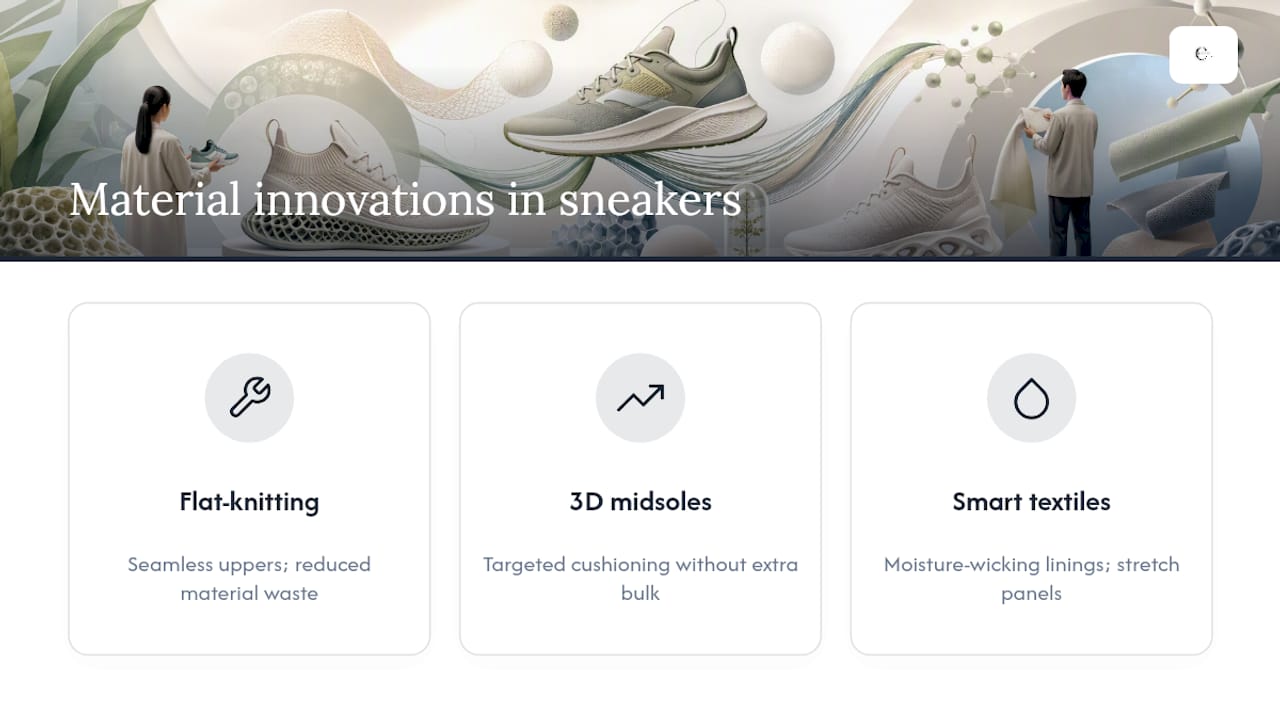
Manufacturing technology is catching up to the aesthetic shift toward slimmer, lighter shoes. Knit uppers produced on computerized flat-knitting machines allow brands to build a seamless, sock-like fit with far less material waste than cut-and-sew construction. That precision is part of why 2026’s low-profile runners can look minimal without feeling flimsy underfoot.
3D-printed midsoles, once a novelty reserved for limited releases, are becoming more common in mid-tier product lines. The technology lets brands fine-tune cushioning zones without adding bulk, which supports the season’s demand for thin soles that still feel supportive.
Smart textiles are creeping into casual sneakers too, moisture-wicking linings borrowed from athletic wear, and stretch-woven panels that let a sleek, narrow shoe flex the way a chunkier one used to. None of this is flashy in the way a smart shoe with an app used to promise. It’s quieter engineering, aimed at making minimalist silhouettes function as well as they look, which is exactly what a season built on slim runners needs.
Which Designers Are Sneaker Brands Partnering With?
Collaboration culture hasn’t slowed down, but the pairings look different than in years past. Instead of exclusively chasing streetwear labels, sneaker brands are increasingly partnering with fashion-house designers to produce the satin and embellished styles driving 2026’s dressier direction. That crossover explains why so many satin derby sneakers now carry design language borrowed from formal footwear rather than athletic shoes.
Cultural collaborations extend beyond fashion, too. Music and film tie-ins continue to fuel limited releases, and reissue culture keeps specific silhouettes visible season after season. Collectors evaluate these reissues largely on shape accuracy to the original release, which keeps certain retro runner shapes culturally relevant even when they’re not brand new. For shoppers building a trend-forward rotation, that means a well-chosen retro reissue can anchor an outfit just as effectively as a current-season release.
Expect more of these hybrid drops, part performance shoe, part fashion object, as brands chase the “easy elevated style” that’s defined most of the year’s editorial coverage.
How Do Digital Sneakers and AR Affect 2026 Trends?
Virtual sneakers haven’t replaced physical ones, but they’re influencing how new colorways and silhouettes get tested before a physical release. Some brands now preview limited drops as digital wearables or augmented reality try-on filters, letting shoppers visualize an embellished or metallic finish on their own feet through a phone camera before committing to a purchase.
This matters most for the season’s higher-risk trends, bold jewel tones, sequined uppers, anything a shopper might hesitate to buy without seeing it in motion. AR try-on tools reduce that hesitation and, in theory, reduce returns, since customers get a clearer sense of fit and color before checkout.
Metaverse fashion moments, sneakers designed purely for digital avatars, remain a smaller niche than mainstream retail. But the aesthetic experimentation happening there, exaggerated proportions, impossible materials, unrealistic color combinations, keeps filtering back into real-world design in muted form. The bright yellow accent colorways gaining traction this year owe some of their boldness to digital fashion’s willingness to push saturation further than a physical shoe factory once would.
Do Sneaker Preferences Vary by Region or Age Group?
Trend adoption isn’t uniform. Younger shoppers, broadly Gen Z, gravitate toward the maximalist end of the spectrum: embellished finishes, bright yellow accents, and statement colorways that photograph well. Older millennial and Gen X shoppers tend toward the minimalist camp, favoring low-profile runners and chocolate brown or jewel-tone pairs that read as polished rather than playful. That split mirrors a broader pattern in runway and street-style coverage, which frames the season around two distinct shopper types rather than a single dominant look.
Climate plays a role too. Shoppers in warmer regions lean into mesh and lighter textures year-round, while colder-climate shoppers use suede and richer jewel tones as a seasonal transition piece between summer sandals and winter boots. Urban shoppers, who walk more and rely on sneakers as daily transportation, tend to prioritize the retro runner and white plimsoll categories over delicate satin, simply because those materials handle pavement and weather better.
Gender lines have blurred considerably as well. Silhouettes once marketed strictly toward men, chunky retro runners, technical trail shapes, now show up regularly in women’s collections, while satin and embellished styles once coded as feminine are increasingly styled by all genders in editorial spreads. The season’s biggest throughline isn’t demographic at all. It’s occasion: dressy versus everyday, delicate versus durable, matters more than who’s wearing the shoe.
CAS7M’s Take: Buy for Wearability First, Trend Second
The strongest 2026 wardrobes aren’t built entirely around trend names. They’re built around one or two intentional statement pairs, backed by durable staples that do the daily work. A satin derby or embellished sneaker earns its spot when it fills a real gap, dressy-casual, an occasion your current shoes can’t cover, not just because it’s trending.
Some product galleries and styling notes lean into this same philosophy: pair a bold seasonal piece with foundational basics, the same approach worth applying to footwear. Before buying, run through a short checklist: does the silhouette suit your existing wardrobe, can the material handle your actual weekly wear, does the color work with what you already own, and are you prepared for the care a delicate finish demands? If you answer yes to all four, buy it.
— CAS7M
A Trend-Forward Pick for Everyday Wear
For shoppers who want the season’s sleeker silhouette without giving up daily practicality, the Lace-up Sports Shoes With Side-Zipper Design hits the balance 2026 is asking for.
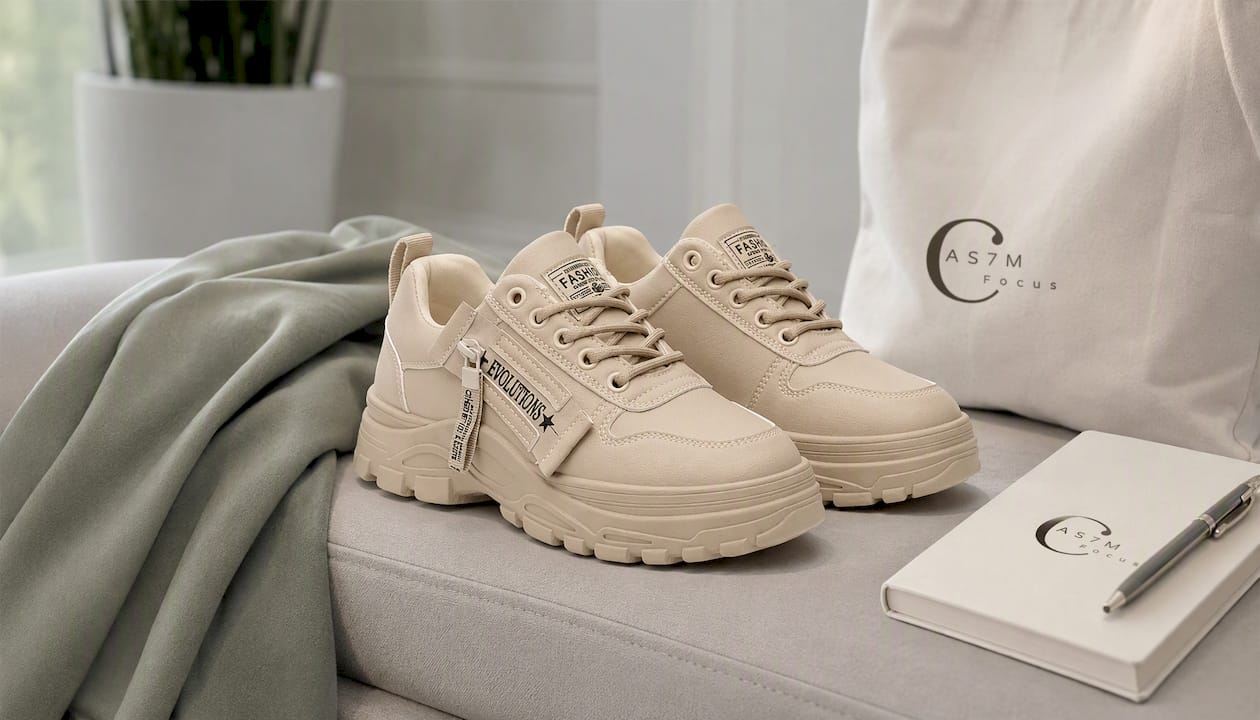
The round-toe shape and thick sole give it the structure of a retro runner, while the side-zipper detail adds the kind of hardware accent that’s replacing pure minimalism this year. It reads as sporty enough for daily errands but polished enough to wear with tailored trousers on a day you want more than sneakers-with-jeans. If you’re building the “one trend piece, several staples” rotation this article recommends, this is a reasonable staple to start from, comfortable enough for regular wear, current enough to not feel dated by spring. Browse the full CAS7MFOCUS footwear catalog to see how it pairs with the brand’s seasonal outerwear, including the streetwear jacket styles built for the same 2026 aesthetic. Add it to your cart and check current sizing before the season’s popular shades sell through.
Sources
- Goodbye Sambas—5 Sneaker Trends I’m Buying This Fall and 5 I’m Retiring (WhoWhatWear)
- These Are the Sneakers Everyone Will Be Wearing This Fall (Harper’s Bazaar)
- 7 Sneaker Trends to Have on Your Radar for Fall 2026 (Vogue)
FAQ
Which Shoe Style Is Trending for 2026?
Low-profile retro runners are the season’s dominant silhouette, replacing the chunky, thick-soled trainers that led previous years. Satin and embellished sneakers are close behind as the standout statement styles.
What Are the Top Sneakers Coming Out in 2026?
Expect a mix of slim retro runner reissues, satin derby-style sneakers, and suede or mesh pairs in jewel tones like burgundy and emerald. Retro performance runner reissues also continue to anchor seasonal drop calendars.
What Is the Hottest Sneaker Style Right Now?
Right now, satin sneakerina-style flats and low-profile retro runners are getting the most editorial attention, with embellished and metallic finishes close behind for shoppers who want a bolder statement.
What Are the Women’s Sneakers in Style for 2026?
Women’s sneaker trends center on low-profile runners for everyday wear, satin derby shapes for dressier occasions, and jewel-tone or chocolate brown suede pairs for a seasonal middle ground. A round-toe, thick-soled design like CAS7MFOCUS’s lace-up sneaker with a side-zipper detail fits comfortably into that everyday category.

